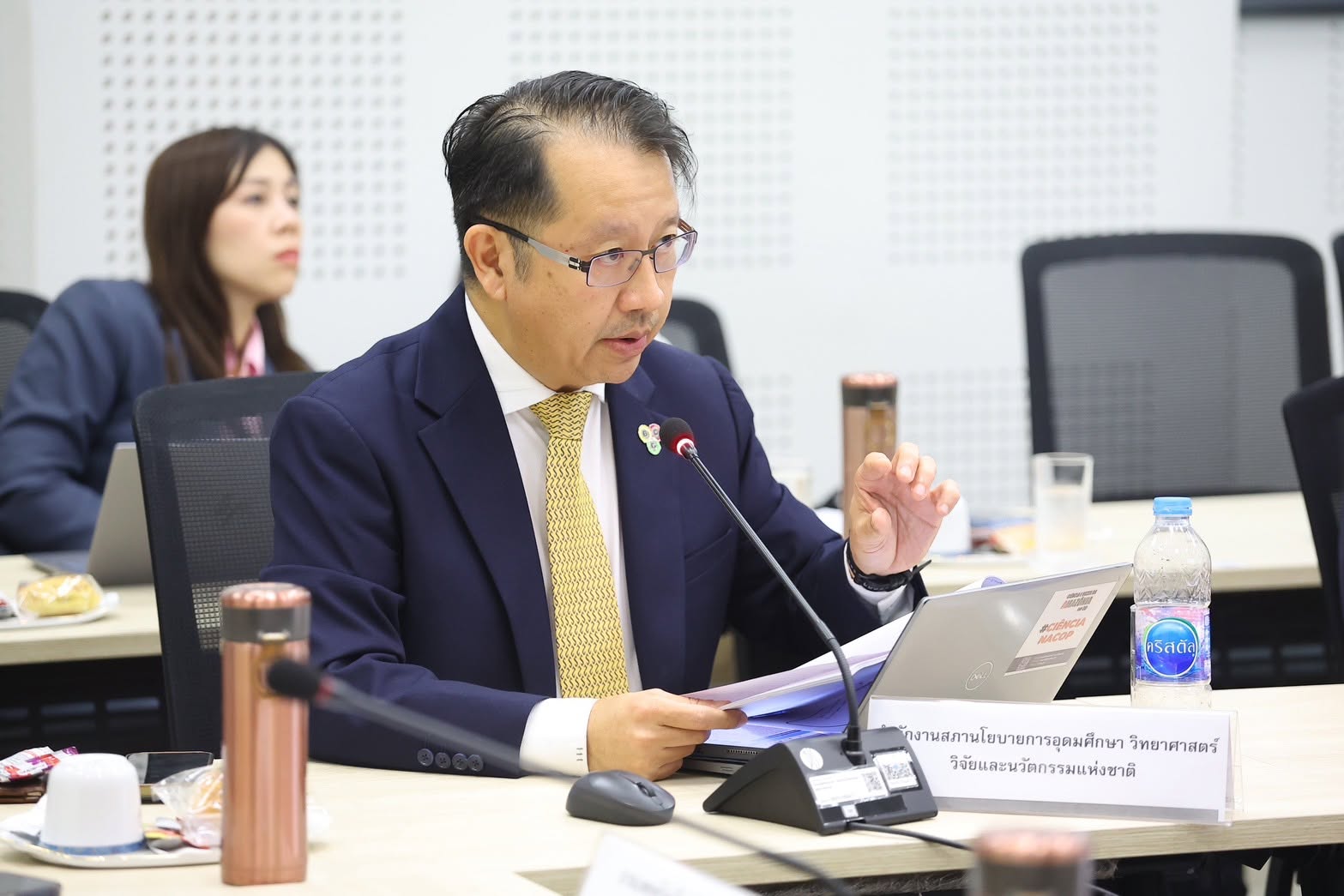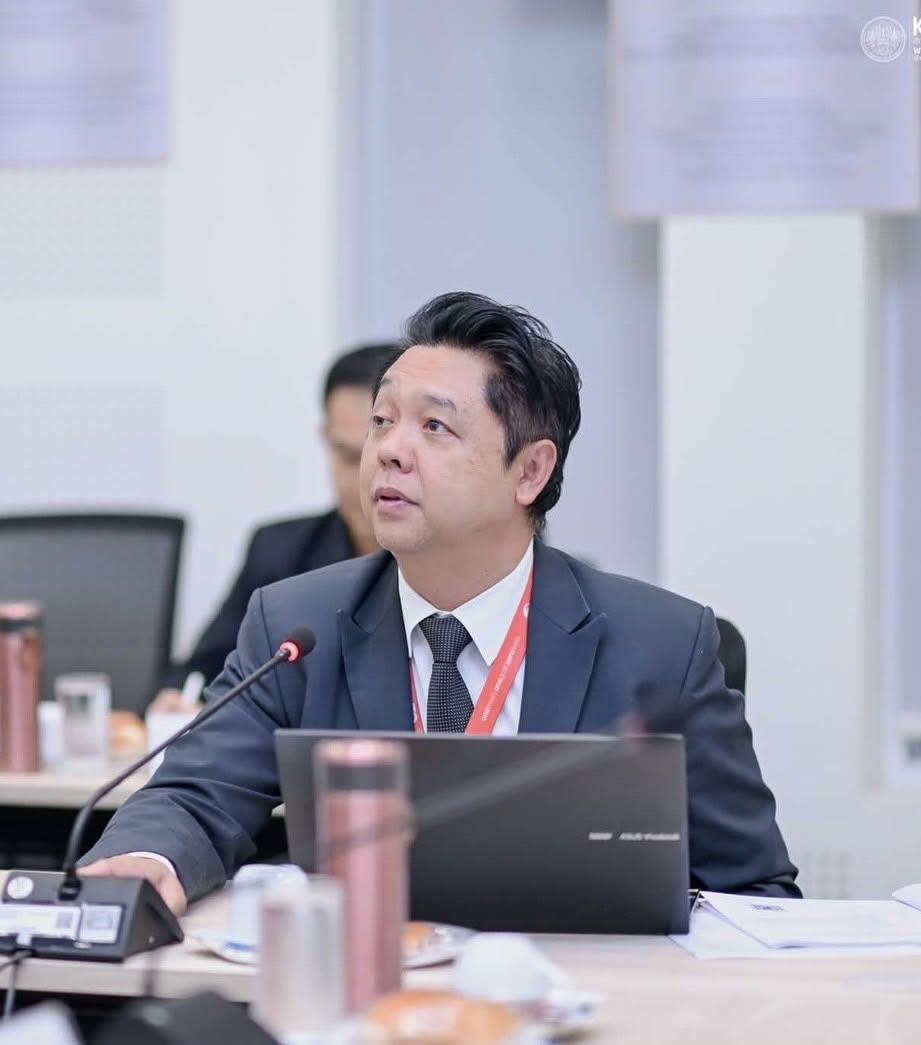
November 5, 2026 — At the Office of Atoms for Peace: Thailand has entered a new dimension of human resource preparedness for nuclear energy. The Ministry of Higher Education, Science, Research and Innovation (MHESI)—led by the Office of Atoms for Peace (OAP) and the Office of National Higher Education Science Research and Innovation Policy Council (NXPO)—in collaboration with the Ministry of Education and 14 national partner organizations, declared a joint commitment to serve as the primary national mechanism. This initiative aims to develop the workforce required to support the operation of Small Modular Reactors (SMRs), as well as the regulation and application of advanced nuclear technologies.
This collaborative integration responds to the proactive policy of Prof. Dr. Yotchanan Wongsawat, Deputy Prime Minister, Minister of MHESI, and Chairman of the Atomic Energy for Peace Commission (AEC). He has driven the SMR regulatory policy, which was officially approved by the AEC on September 8, 2026. The strategic vision focuses on enhancing energy security, supporting the Net Zero greenhouse gas emissions target, and elevating the country’s socio-economic competitiveness in the long term.
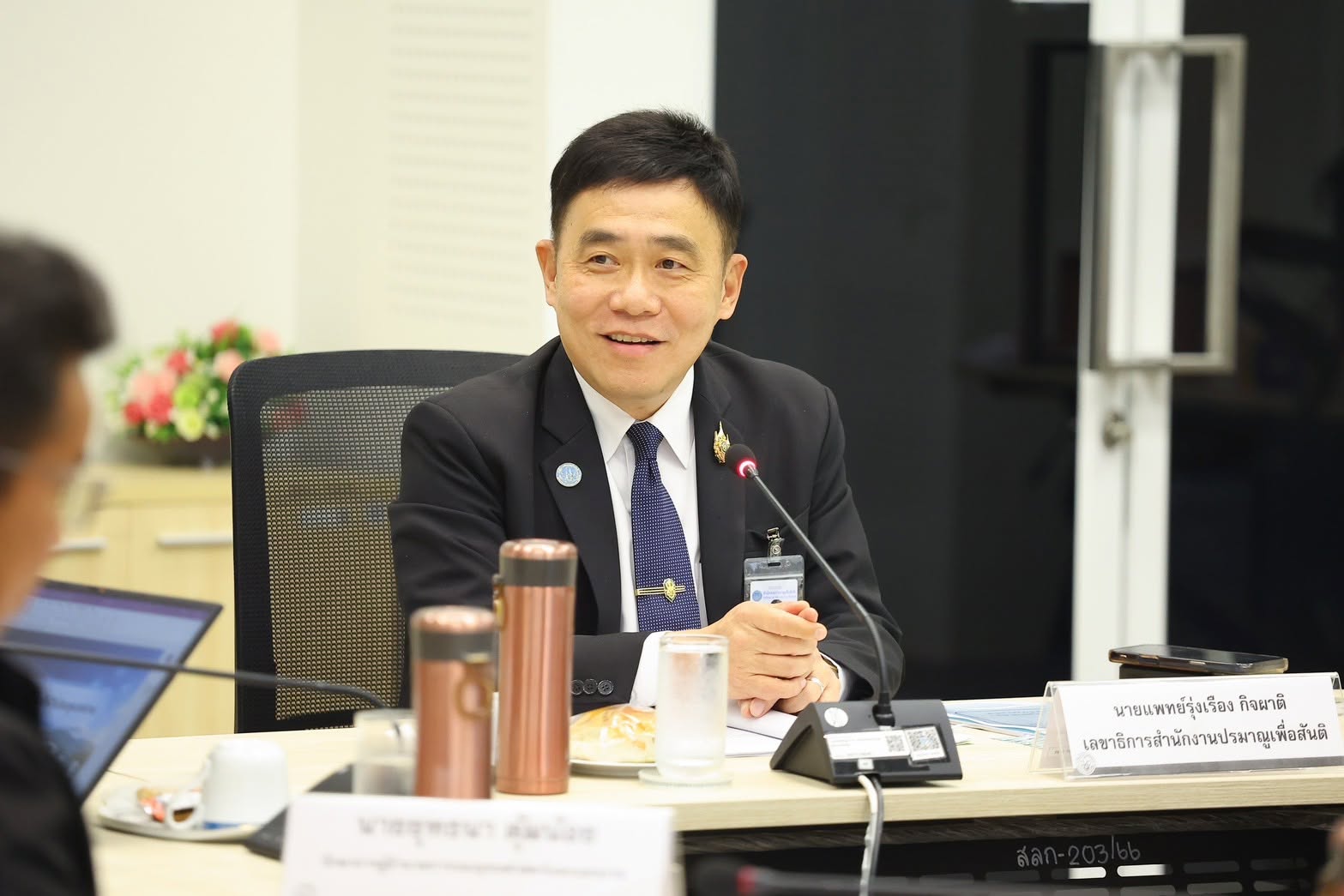
During the 1st/2026 Steering Committee Meeting on National Human Resource Development Regulation, chaired by Dr. Rungrueng Kitphati, Secretary-General of OAP, the OAP and Assoc. Prof. Wongkot Wongsapai, Deputy Director of NXPO, presented the “Draft National Human Resource Development Framework 2028–2032.” The framework is driven by three main strategic plans: 1) The Draft National SMR Workforce Plan, 2) The Draft Conceptual Framework for Lifelong Learning Curricula, and 3) The Draft Proposal for Ecosystem Development and Support Mechanisms.

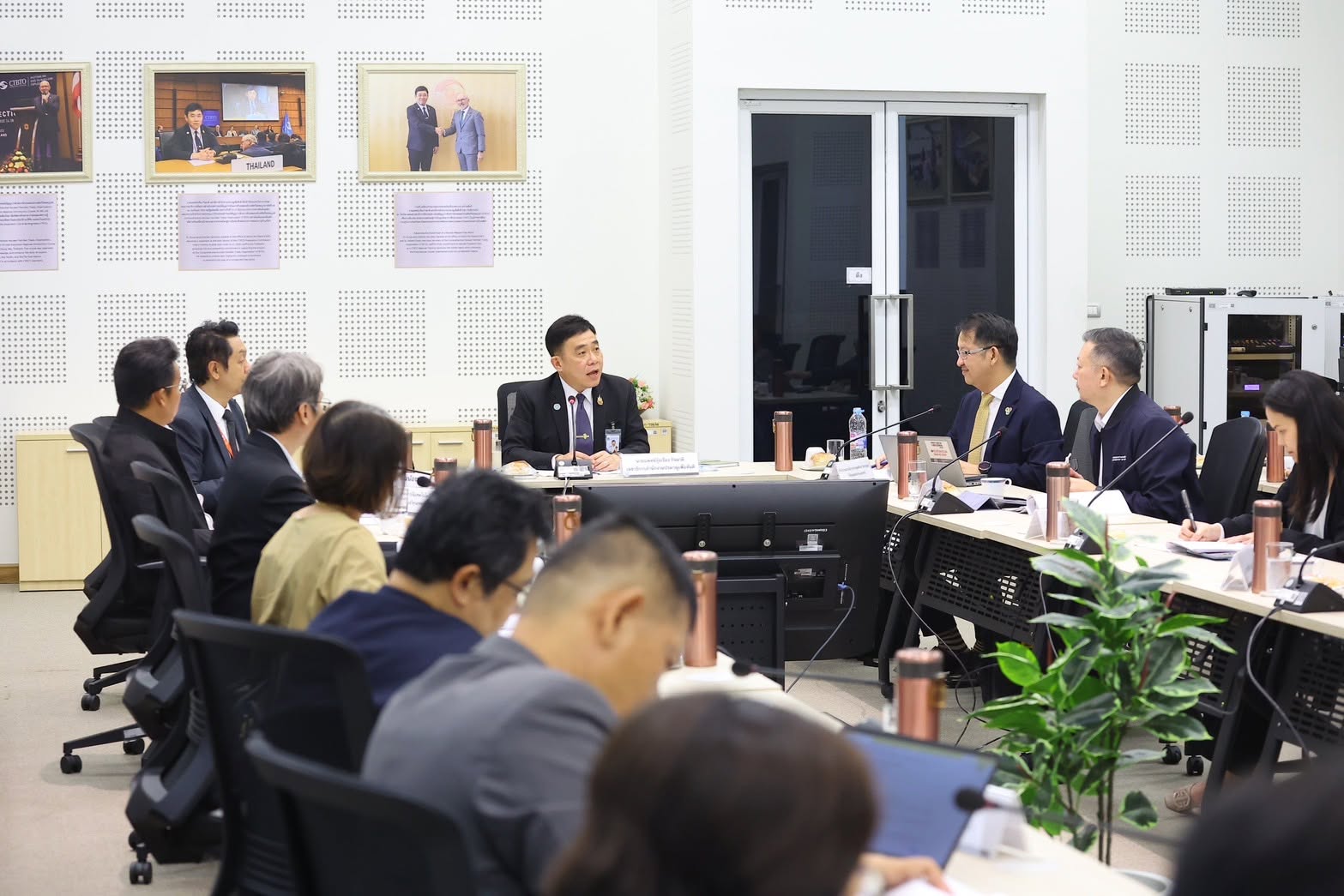
The meeting set a quantitative target to produce at least 1,000 expert personnel to support the project. In the first three years, efforts will be accelerated to build a foundational workforce of no less than 345 individuals. Furthermore, the development approach will intensively integrate the international “3S” standards—Safety, Security, and Safeguards—into the educational system at all levels.
To ensure the policy is driven efficiently and comprehensively across all dimensions, cooperation has been coordinated among 14 national organizations, divided into four key sectors:
* Policy and Regulation Group: NXPO (led by Assoc. Prof. Wongkot Wongsapai, Dr. Chanwit Udomsakdikul, Dr. Chalotorn Boonlua, and Dr. Chanida Saensa-ard), Office of the Permanent Secretary of the Ministry of Energy (led by Mr. Peerapong Boonsaeng), Energy Policy and Planning Office (EPPO), and the Energy Regulatory Commission (ERC).
* Energy and Industry Group: Electricity Generating Authority of Thailand (EGAT), Provincial Electricity Authority (PEA), and the Federation of Thai Industries (FTI) (led by Mr. Atthapong Sathitmanotham).
* Basic Education and Research Group: Office of the Basic Education Commission (OBEC), Institute for the Promotion of Teaching Science and Technology (IPST), and Thailand Institute of Nuclear Technology (Public Organization) (TINT).
* Higher Education Institutes Group: King Mongkut’s Institute of Technology Ladkrabang (KMITL) (led by Assoc. Prof. Dr. Komsan Maleesee, President, and Assoc. Prof. Dr. Wiphoo Srisuubsai), along with faculty representatives from Kasetsart University, Suranaree University of Technology, Chulalongkorn University, and King Mongkut’s University of Technology Thonburi.
This national collaboration, spearheaded by MHESI (through OAP and NXPO), reflects a strong commitment to translating national policy into concrete action. The next steps will focus on pushing for the appointment of a subcommittee to collaboratively finalize the comprehensive plan and the Fiscal Year 2028 action plan. This will serve as a guiding framework for the allocation of the Science, Research, and Innovation (SRI) budget. The finalized plan will then be proposed to the Atomic Energy for Peace Commission (AEC), the National Higher Education, Science, Research and Innovation Policy Council, and the Cabinet for final approval.
All these actions serve as a vital guarantee that Thailand is ready to step into the clean energy transition era under regulatory oversight that complies with international safety standards, ultimately enhancing the quality of life, preserving the environment, and building sustainable socio-economic prosperity for the future.

This post was published on Website and Facebook : Office of Atoms for Peace