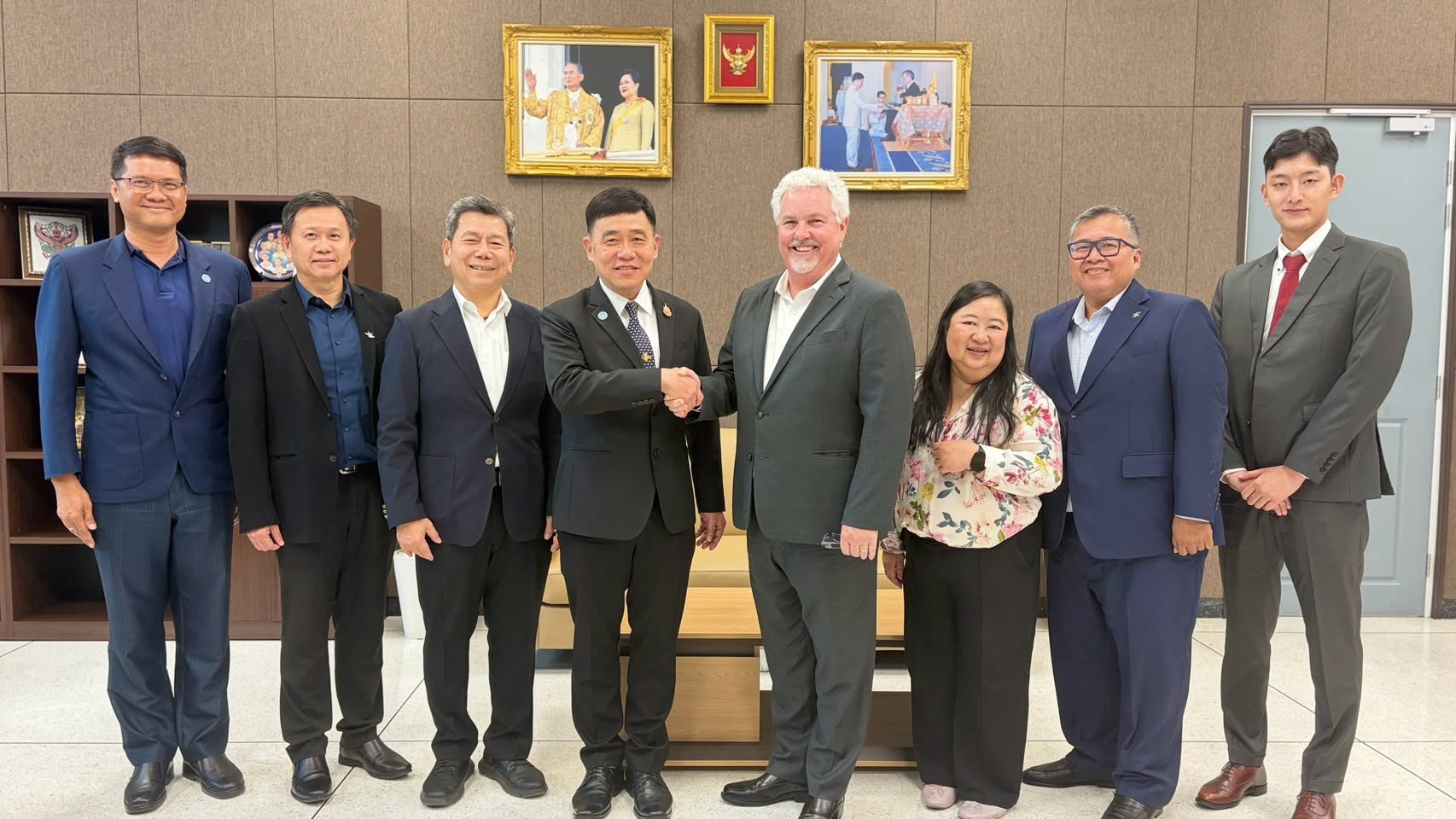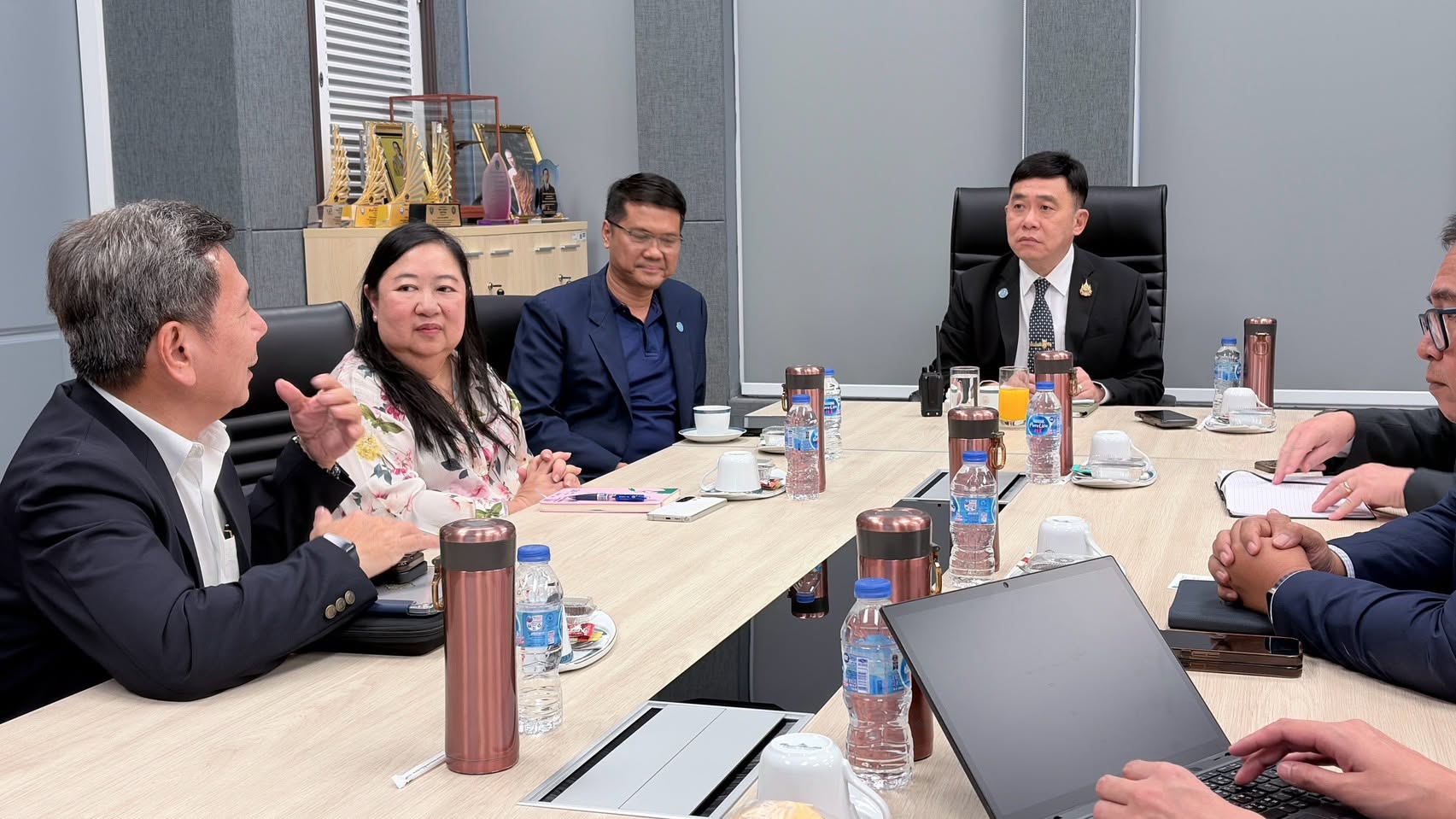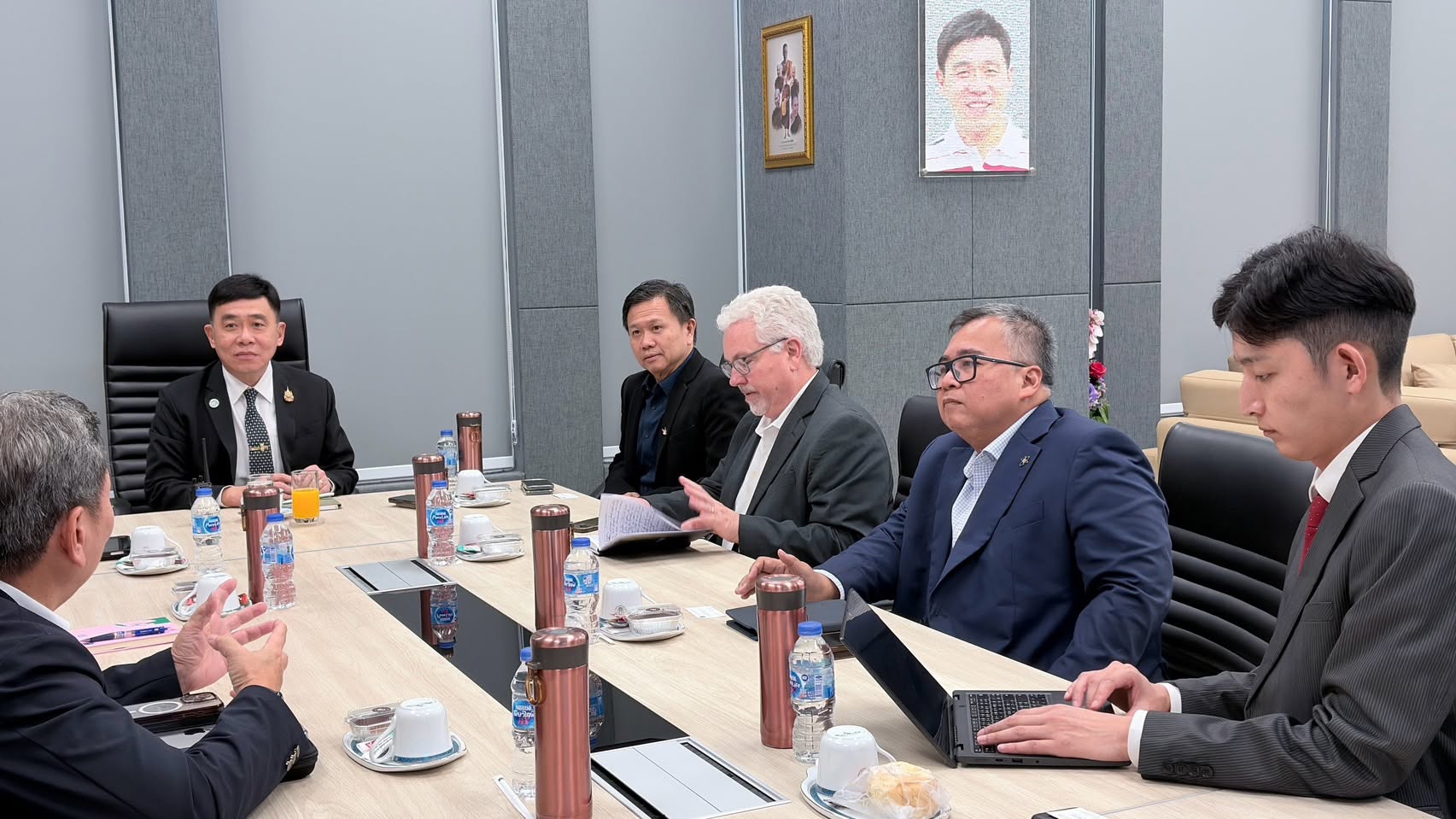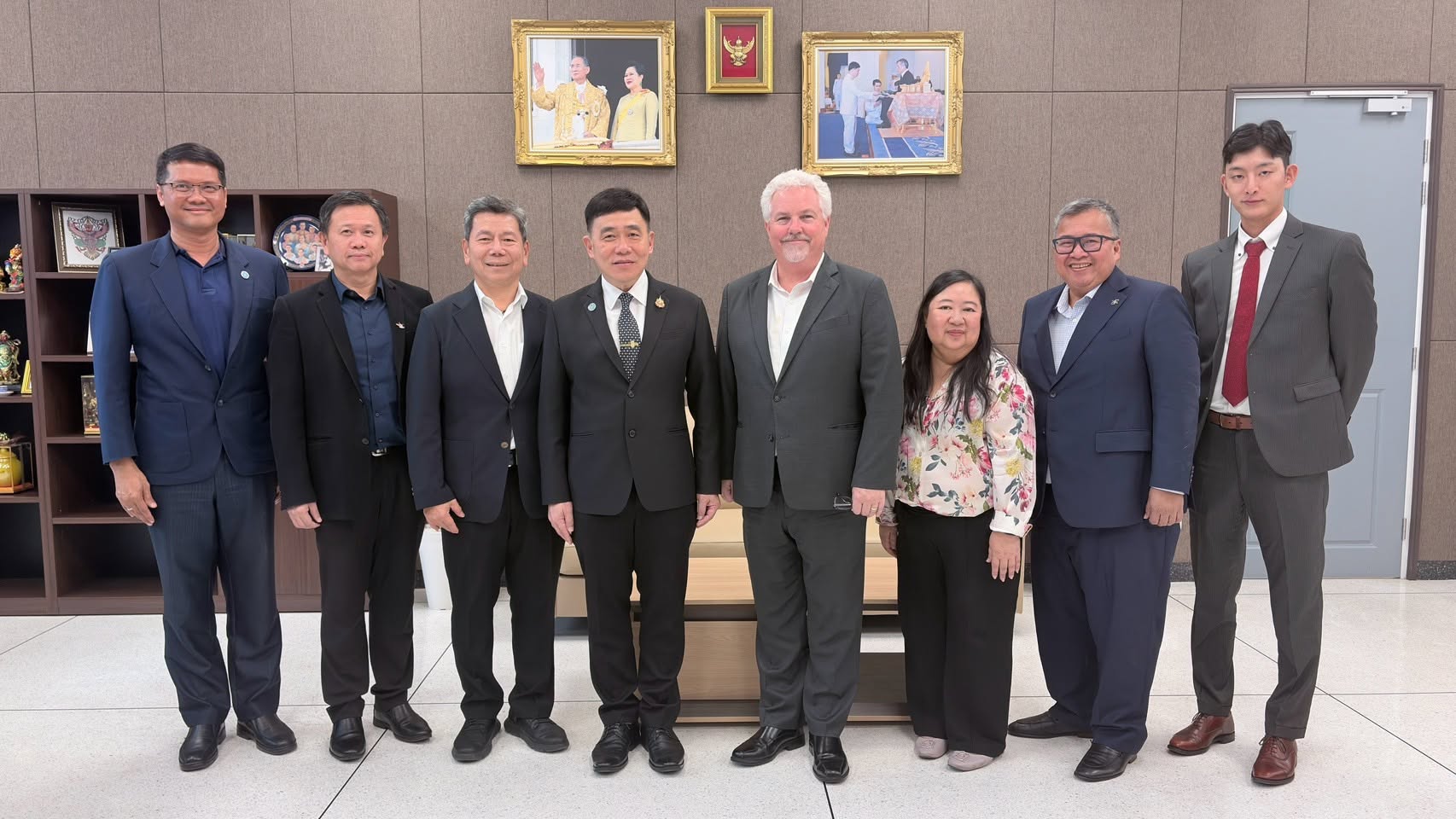
On November 4, 2026, Dr. Rungrueng Kitphati, Secretary-General of the Office of Atoms for Peace (OAP), chaired a meeting with an executive delegation from GE Vernova Hitachi Nuclear Energy. The delegation was led by Mr. David Hutagalung (Director of Business Development, Asia Gas Power), Mr. Patrick Looney (Senior Vice President of Market Development, GE Vernova Hitachi Nuclear Energy), Mr. Kohtaroh Nunokawa (Sales Manager, Energy & Industrial Products Business Unit, Hitachi Asia (Thailand) Co., Ltd.), and Dr. Peeratarat (Joe) Ittarattanachoke (Country Leader Thailand Gas Power, GE Vernova) at the OAP 60th Anniversary Building. The meeting aimed to discuss and present the advancements of the Small Modular Reactor (SMR) technology, specifically the BWRX-300 model, which is currently gaining global traction with ongoing developments in several countries. This visit reflects the strong interest of leading global private sectors in Thailand’s policy direction, as the nation explores the feasibility of deploying SMR technology to bolster energy security and support greenhouse gas emission reduction targets.
During the discussion, the GE Vernova Hitachi delegation presented the progress of the BWRX-300 program, highlighting critical First-of-a-Kind (FOAK) pilot projects. This included the Darlington Project in Ontario, Canada, where four BWRX-300 units with a combined capacity of 1.2 gigawatts (GW) are currently under construction, targeting the first unit to commence commercial operations by the end of 2030. They also detailed the Clinch River Project in Tennessee, USA, operated by the Tennessee Valley Authority (TVA). Recognized as the first U.S. project to submit a BWRX-300 construction permit application (with a presented capacity of 1,200–1,500 megawatts), the site has already received an Early Site Permit (ESP) from the U.S. Nuclear Regulatory Commission (U.S. NRC), aiming for commercial operations in the early 2030s. Furthermore, the delegation outlined plans for Global Fleet Deployment across various regions, including U.S. states like Texas and Ohio, as well as European nations such as Poland, Sweden, and the United Kingdom.
On this occasion, Dr. Rungrueng reiterated the critical importance of preparing Thailand’s nuclear safety regulatory framework, emphasizing the fundamental principle of “Safety First.” He highlighted OAP’s role as the national regulatory body that closely monitors technological advancements and is actively preparing to formulate legal frameworks and a Step-by-Step Licensing Framework. By studying international lessons and best practices—such as the Early Site Permit (ESP) process and the Safety Evaluation Report (SER) from the U.S. NRC—OAP aims to elevate its capacity for rigorous licensing reviews. This ensures that any regulatory decisions are founded on solid engineering principles, are transparent, verifiable, and comply with the highest international safety standards. Should Thailand decide to move forward with SMR projects, the regulatory system must be fully equipped to govern the technology appropriately, making safety a mandatory prerequisite at every stage.
This meeting signifies more than just a technological exchange; it serves as a vital opportunity for OAP to acquire in-depth insights and direct experiences from a world-leading nuclear technology developer. These insights will be integrated into ongoing studies, strategic planning, and the enhancement of the nation’s regulatory preparedness to keep pace with global transitions. The ultimate goal is to equip Thailand with secure energy alternatives that support long-term clean energy and economic development. Simultaneously, it ensures the public can remain confident that the utilization of nuclear technology will be managed under a robust, transparent, and verifiable regulatory system, holding the safety of the people, society, and the environment as the highest priority.
This post was published on Website and Facebook : Office of Atoms for Peace