By Dr. Rungrueng Kitphati, Secretary-General of the Office of Atoms for Peace, Ministry of Higher Education, Science, Research and Innovation (MHESI)
Amidst the boiling temperature of global geopolitical conflicts, the most alarming question right now is: “If an all-out war breaks out and the United States decides to press the button for a nuclear strike on Iran… will Thailand, located thousands of kilometers away, survive this catastrophe?”
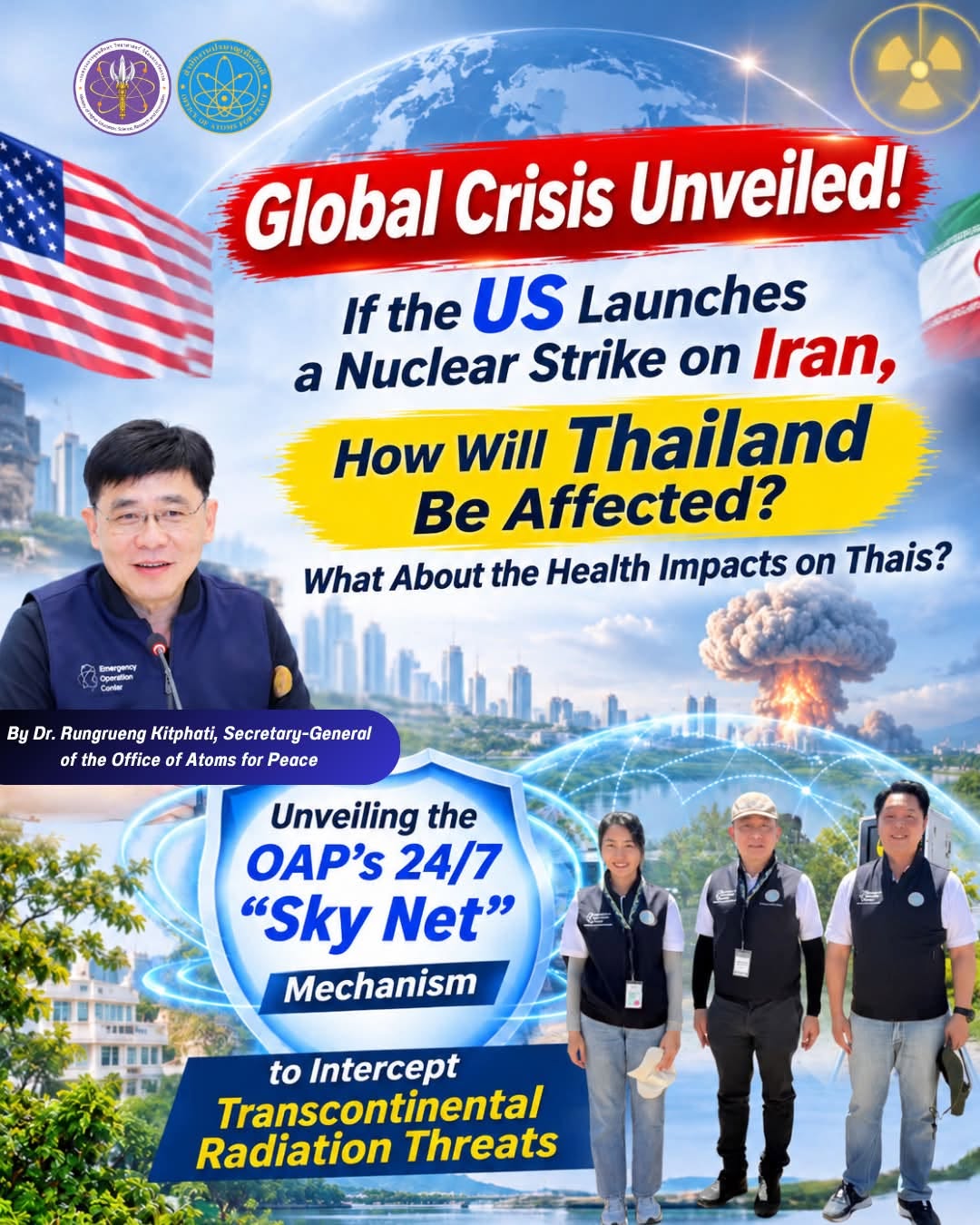
The Office of Atoms for Peace (OAP), acting as the nation’s “shield” for nuclear and radiation safety, seeks to dissect the scientific facts, dispel rumors, and provide an in-depth look at Thailand’s ultimate surveillance system, prepared to absorb the shock of any global crisis!
1. The Moment of Eruption! Transcontinental Seismic Waves… How Does Thailand Know in “Minutes”?
The instant a nuclear weapon is detonated, regardless of where it is hidden in the world, Thailand will be aware of the event within “minutes”!
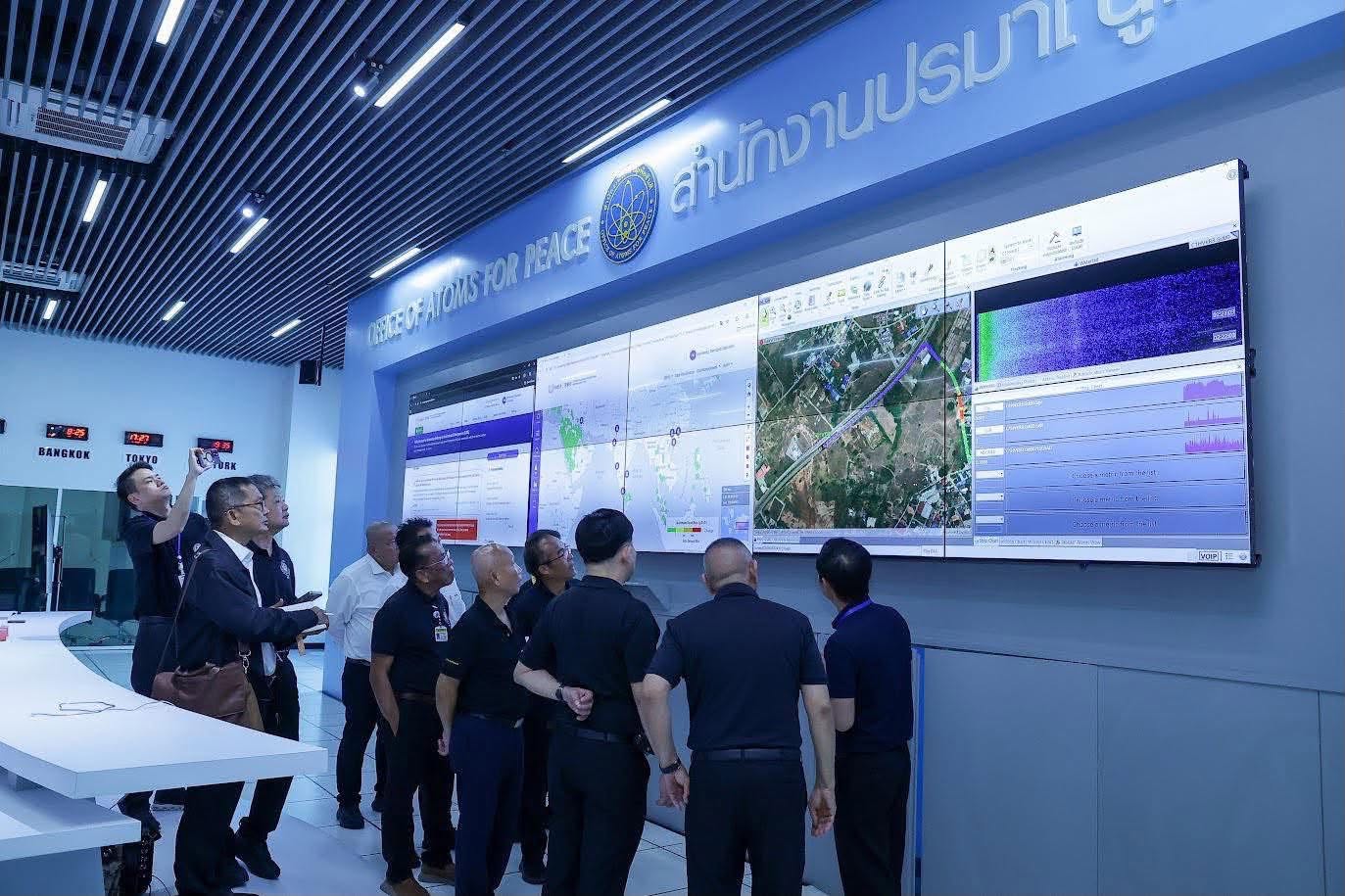
* Global Detection Network (CTBTO): Through the International Monitoring System for seismic activity (e.g., Station PS41 in Chiang Mai), the moment an explosion occurs, seismic waves, infrasound, and radioactive particles are detected, sending signals directly to the OAP’s screens second by second.
* Global Emergency Direct Line (IAEA USIE): The OAP is connected to the international emergency notification system. In the event of a radiological crisis, classified information and global alert levels are sent directly to us immediately, allowing Thailand to prepare a defensive plan before the chaos spreads.
2. Will “Deadly Radioactive Fallout” Hit Thailand… or Will an “Economic Disaster” Strike Us First?
Movies often depict scenes of radioactive fallout wiping out the world, but in scientific reality, the OAP offers a straightforward assessment of the situation:
* A Distance Barrier of Over 6,000 Kilometers: Radioactive fallout from Iran would take several days to weeks to travel across continents to Southeast Asia.
* Decay and Atmospheric Dispersion: During the journey, radioactivity will decay rapidly and be highly diluted by high-altitude atmospheric winds.
* Scientific Assurance: If the wind does blow in our direction, the residual radiation levels arriving would be “so extremely low that they could not possibly harm the health of the Thai people.”
What is far more terrifying than radiation, and what will strike Thailand before anything else, is the “Economic Shockwave.” The closure of the Strait of Hormuz, the world’s primary oil transit chokepoint, would cause oil prices to skyrocket, sever global supply chains, and inevitably impact the cost of living for Thais. This is the real catastrophe for which the government must urgently prepare contingency plans!
3. Deploying the Shield to Protect Thais! Inside NuREAC and the Ultimate Radiation Monitoring Stations
Although the radiation risk is virtually negligible, the OAP does not use the word “careless”! We operate a full-scale, 24/7 “Sky Net” defense system:
* Radiation Combat Command Center (NuREAC): The National Nuclear and Radiological Emergency Action Center is ready to process data and simulate future wind directions to predict the global trajectory of radioactive fallout.
* Global and National Monitoring Networks: Based on data from the International Atomic Energy
Agency’s (IAEA) International Radiation Monitoring Information System (IRMIS) as of November 8, 2026, it is clearly confirmed that radiation levels globally, in the Middle East conflict zones, and around Thailand remain completely “Normal.” Furthermore, the OAP operates 23 Early Warning Network stations nationwide, working in real-time without interruption. If there is even a fractional anomaly in airborne radiation levels, the system will trigger an alarm instantly!
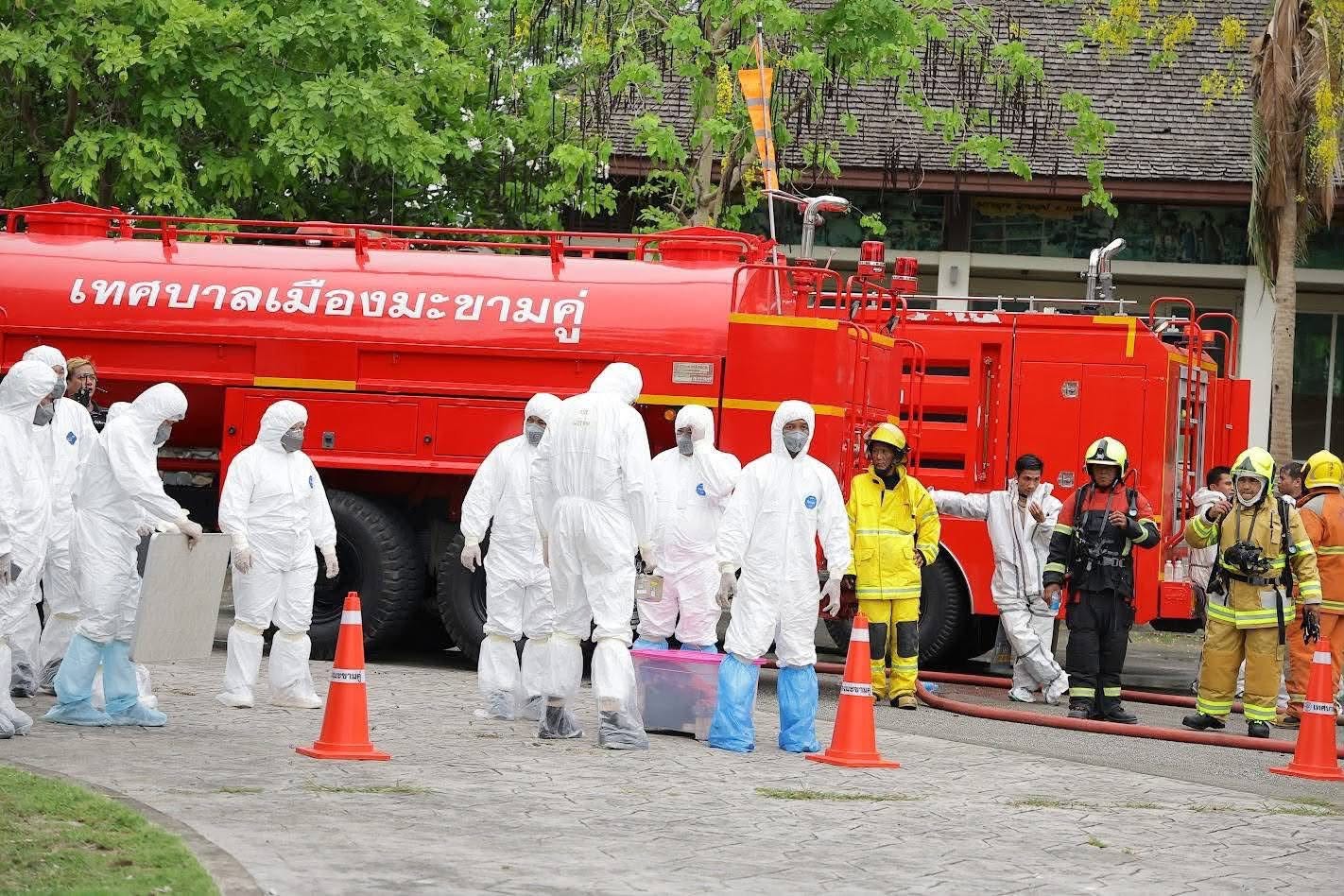
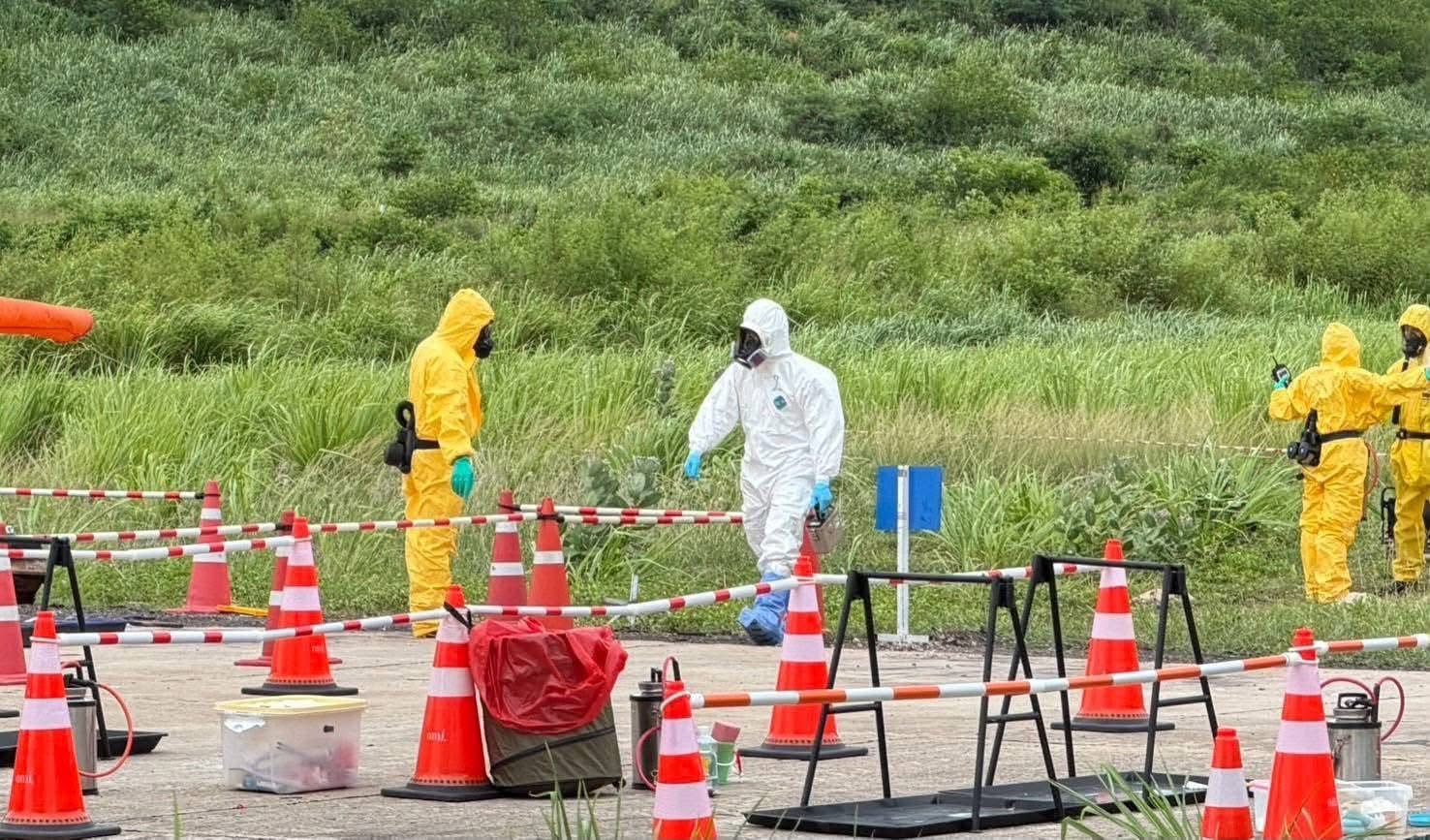
* Fast Response Team: We are ready to dispatch radiation monitoring vehicles, aerial survey drones, and mobile laboratory teams to deploy to the field and measure contamination in water sources, food, and air, confirming safety right to the doorsteps of the Thai people.
When the world faces a crisis, we urge the Thai people to remain calm and listen to information from reliable sources. The Office of Atoms for Peace stands firm as the scientific frontline. We are ready to use every available technology to monitor, assess, and issue transparent alerts, because the safety of every Thai citizen is our ultimate mission, one we are ready to trade our lives for!
Strategic Policy Recommendations for Managing National Crises and Protecting National Interests
To ensure Thailand has an impenetrable shield concerning both health and economic security, the Office of Atoms for Peace proposes the following policy guidelines to the nation:
* Elevate Strategic Energy Resilience: Because the primary impact would be the disruption of the global oil supply chain through the Strait of Hormuz, the government must urgently increase its Strategic Petroleum Reserve. Furthermore, it must accelerate the diversification of energy sources and study stable, clean alternative energy technologies, such as Small Modular Reactors (SMRs), to build a foundation for long-term, self-reliant energy security.
* Integrate a Unified Crisis Communication Command: In an era of information warfare, “fake news regarding radiation and war” spreads faster than actual radiation. The government should establish a coordinated mechanism linking the National Security Council (NSC), the Public Relations Department, and the Office of Atoms for Peace to intercept fake news, clarify scientific facts, and promptly alleviate public panic.
* Expand the Capacity of Border & Environmental Radiation Security Networks: With government budget support, the OAP will integrate Artificial Intelligence (AI) with global weather forecasting databases to create highly accurate simulations of transcontinental radiation dispersion. This will be coupled with upgrading import checkpoints at borders and ports to scan for radiation contamination in consumer goods and food imported from high-risk regions, thus safeguarding the nation’s food supply chain.
References and Empirical Data Sources:
* International Atomic Energy Agency (IAEA) : Unified System for Information Exchange in Incidents and Emergencies (USIE) – The global network for emergency notification and information exchange regarding nuclear and radiological incidents.
* The Comprehensive Nuclear-Test-Ban Treaty Organization (CTBTO): International Monitoring System (IMS) – The global network of seismic, hydroacoustic, infrasound, and radionuclide monitoring stations.
* International Energy Agency (IEA) and World Bank: Global Economic Impacts of Energy Supply Disruptions in the Middle East – Reports assessing the economic impact of a potential closure of the Strait of Hormuz.
* National Nuclear and Radiological Emergency Action Center (NuREAC), Office of Atoms for Peace: Report on Nuclear and Radiological Monitoring via the International Radiation Monitoring Information System (IRMIS), dated November 8, 2026.
This article was published on the official Facebook page of the Office of Atoms for Peace – OAP Thailand  https://www.facebook.com/share/1Tje44uvsr/?mibextid=wwXIfr