
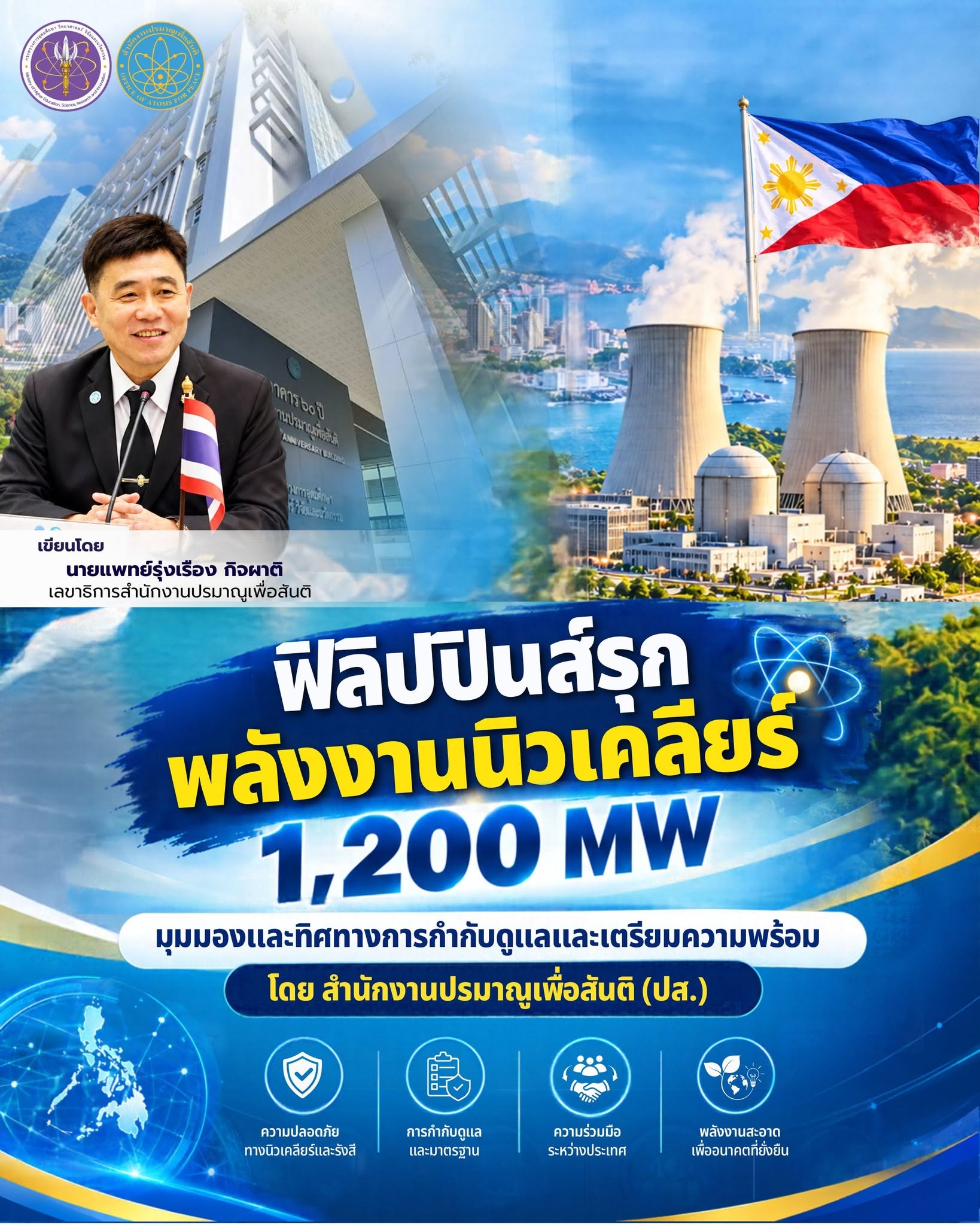
 ฟิลิปปินส์รุกพลังงานนิวเคลียร์ 1,200 MW: มุมมองและทิศทางการกำกับดูแลและเตรียมความพร้อมโดยสำนักงานปรมาณูเพื่อสันติ (ปส.)
ประธานาธิบดี Ferdinand R. Marcos Jr. แห่งฟิลิปปินส์ได้ประกาศเมื่อวันที่ 11 ตุลาคม 2569 ว่าเป้าหมายการผลิตไฟฟ้านิวเคลียร์ 1,200 เมกะวัตต์ (MW) ภายในปี 2032 เป็นสิ่งที่สามารถบรรลุได้ โดยมีแรงขับเคลื่อนสำคัญจากความต้องการใช้พลังงานมหาศาลของศูนย์ข้อมูล (Data Center) และเทคโนโลยีปัญญาประดิษฐ์ (AI) การประกาศดังกล่าวนำมาซึ่งแผนยุทธศาสตร์ระยะยาวที่ฟิลิปปินส์ตั้งเป้าขยายกำลังผลิตเป็น 2,400 MW ภายในปี 2035 และ 4,800 MW ภายในปี 2050 ควบคู่ไปกับการที่กระทรวงพลังงานฟิลิปปินส์เร่งพัฒนากรอบการจัดซื้อกำลังผลิตไฟฟ้านิวเคลียร์เพื่อเตรียมพร้อมสำหรับโครงการแรกของประเทศ
สำนักงานปรมาณูเพื่อสันติ (ปส.) ในฐานะหน่วยงานกำกับดูแลความปลอดภัยทางนิวเคลียร์และรังสีของประเทศไทย วิเคราะห์ความเคลื่อนไหวนี้ว่า ท่ามกลางความท้าทายเชิงโครงสร้าง ทั้งด้านการคัดเลือกเทคโนโลยี การจัดหาเงินทุน และการดำเนินโครงการให้ทันตามกรอบเวลา การมีระบบการกำกับดูแลความปลอดภัยที่เข้มแข็งคือปัจจัยชี้ขาดความสำเร็จของโครงการระดับชาติ
 โดย ปส. ได้นำกรณีศึกษานี้มาประเมินและเตรียมความพร้อมสำหรับการกำกับดูแลในประเทศไทย ดังนี้:
1. การพัฒนากรอบการอนุญาตที่ยืดหยุ่นและรัดกุม (Robust Licensing Framework): ความท้าทายหลักของฟิลิปปินส์ในการเร่งรัดโครงการให้ทันปี 2032 คือกระบวนการออกใบอนุญาตที่ต้องรวดเร็วแต่ไม่ลดทอนมาตรฐานความปลอดภัย ปส. มุ่งเน้นการพัฒนากฎระเบียบเพื่อรองรับเทคโนโลยีเครื่องปฏิกรณ์นิวเคลียร์ขั้นสูงและเครื่องปฏิกรณ์นิวเคลียร์ขนาดเล็ก (SMR) โดยต้องครอบคลุมการประเมินความปลอดภัยเชิงวิศวกรรม การจัดการเชื้อเพลิง และความเหมาะสมของสถานที่ตั้งอย่างละเอียด
2. การกำกับดูแลการจัดซื้อและมาตรฐานเทคโนโลยี (Technology & Supply Chain Oversight): การพัฒนากรอบการจัดซื้อกำลังผลิตไฟฟ้าของกระทรวงพลังงานฟิลิปปินส์ ชี้ให้เห็นว่าหน่วยงานกำกับดูแลต้องเข้ามามีบทบาทในการตั้งเกณฑ์ประเมินความปลอดภัยของเทคโนโลยีที่จะถูกคัดเลือก ปส. เตรียมระบบตรวจสอบย้อนกลับห่วงโซ่อุปทานเพื่อป้องกันอุปกรณ์ หรือชิ้นส่วนที่ไม่ได้มาตรฐาน (Counterfeit, Fraudulent, and Suspect Items: CFSI) เข้าสู่โครงการก่อสร้าง
3. การเตรียมทรัพยากรบุคคลด้านการกำกับดูแล (Regulatory Capacity Building): การขยายกำลังการผลิตจาก 1,200 MW สู่ 4,800 MW ในระยะเวลา 15 ปี ต้องอาศัยผู้เชี่ยวชาญจำนวนมหาศาล ปส. เน้นย้ำยุทธศาสตร์การสร้างกำลังคน โดยบูรณาการความร่วมมือกับสถาบันการศึกษาเพื่อผลิตผู้ตรวจการนิวเคลียร์ นักฟิสิกส์การแพทย์ และวิศวกรนิวเคลียร์ ที่มีขีดความสามารถในการวิเคราะห์ความปลอดภัยและรับมือกับสภาวะฉุกเฉินได้ตามมาตรฐานทบวงการพลังงานปรมาณูระหว่างประเทศ (IAEA)
ทิศทางของประเทศฟิลิปปินส์สะท้อนให้เห็นอย่างชัดเจนว่า พลังงานนิวเคลียร์กำลังก้าวขึ้นมาเป็นโครงสร้างพื้นฐานหลักที่ตอบสนองต่อการเติบโตของเศรษฐกิจดิจิทัลระดับภูมิภาค การที่สำนักงานปรมาณูเพื่อสันติ (ปส.) เตรียมความพร้อมและวางรากฐานการกำกับดูแลที่เป็นอิสระ โปร่งใส และมีมาตรฐานระดับโลก จะเป็นหลักประกันสูงสุดว่า หากประเทศไทยตัดสินใจเดินหน้าโครงการพลังงานนิวเคลียร์ในอนาคต ทุกกระบวนการจะดำเนินไปภายใต้การคุ้มครองความปลอดภัยสูงสุดต่อประชาชนและสิ่งแวดล้อมอย่างยั่งยืน
บทความนี้เขียนโดย…
นายแพทย์รุ่งเรือง กิจผาติ เลขาธิการสำนักงานปรมาณูเพื่อสันติ กระทรวงการอุดมศึกษา วิทยาศาสตร์ วิจัยและนวัตกรรม
ขอบคุณข้อมูลจาก Nuclear Engineering, Chulalongkorn University…
แหล่งข้อมูลอ้างอิง
1. ABS-CBN News, Philippines targets 1.2 MW of nuclear power by 2032, 20 October 2026 — รายงานโดย Izzy Lee
2. Presidential Communications Office, President Ferdinand R. Marcos Jr. at the Kapihan with the Media in Singapore, 11 October 2026 — บทสัมภาษณ์ฉบับเต็ม
3. Philippine Department of Energy, DOE Advances Proposed Rules for First Nuclear Power Capacity Tender, 29 September 2026
The Philippines Advances 1,200 MW Nuclear Power: Regulatory Perspectives, Directions, and Preparedness by the Office of Atoms for Peace (OAP)
Philippine President Ferdinand R. Marcos Jr. announced on October 11, 2026, that the target of generating 1,200 megawatts (MW) of nuclear power by 2032 is an achievable goal. This is significantly driven by the massive energy demands of Data Centers and Artificial Intelligence (AI) technologies. This announcement aligns with the Philippines’ long-term strategic plan to expand its capacity to 2,400 MW by 2035 and 4,800 MW by 2050. Concurrently, the Philippine Department of Energy is accelerating the development of a procurement framework for nuclear power capacity in preparation for the country’s first project.
The Office of Atoms for Peace (OAP), as Thailand’s national nuclear and radiation safety regulatory authority, analyzes this movement by noting that amid structural challenges—including technology selection, financing, and timely project execution—a robust safety regulatory system is the decisive factor for the success of a national project. Drawing on this case study, OAP has evaluated and prepared for regulatory oversight in Thailand as follows:
1. Robust Licensing Framework: The primary challenge for the Philippines in accelerating the project to meet the 2032 deadline is a licensing process that must be expedited without compromising safety standards. OAP focuses on developing regulations to accommodate advanced nuclear reactors and Small Modular Reactors (SMRs). This must comprehensively cover engineering safety assessments, fuel management, and thorough site suitability evaluations.
2. Technology & Supply Chain Oversight: The Philippine Department of Energy’s development of a power capacity procurement framework indicates that the regulatory body must play a role in establishing safety assessment criteria for the selected technologies. OAP is preparing a supply chain traceability system to prevent Counterfeit, Fraudulent, and Suspect Items (CFSI) from entering construction projects.
3. Regulatory Capacity Building: Expanding generation capacity from 1,200 MW to 4,800 MW over 15 years requires a massive number of experts. OAP emphasizes a workforce development strategy by integrating collaborations with academic institutions to produce nuclear inspectors, medical physicists, and nuclear engineers. These professionals must possess the capability to analyze safety and respond to emergencies in accordance with International Atomic Energy Agency (IAEA) standards.
The trajectory of the Philippines clearly reflects that nuclear energy is emerging as a core infrastructure addressing the growth of the regional digital economy. The Office of Atoms for Peace (OAP)’s proactive preparedness and laying of an independent, transparent, and world-class regulatory foundation will serve as the ultimate guarantee. Should Thailand decide to advance nuclear energy projects in the future, every process will proceed under the highest level of sustainable safety protection for the public and the environment.
Written by: Dr. Rungrueng Kitphati, Secretary-General, Office of Atoms for Peace, Ministry of Higher Education, Science, Research and Innovation (MHESI)
Special thanks for information from: Department of Nuclear Engineering, Chulalongkorn University
References
1. ABS-CBN News, Philippines targets 1.2 MW of nuclear power by 2032, 20 October 2026 — Reported by Izzy Lee.
2. Presidential Communications Office, President Ferdinand R. Marcos Jr. at the Kapihan with the Media in Singapore, 11 October 2026 — Full Interview.
3. Philippine Department of Energy, DOE Advances Proposed Rules for First Nuclear Power Capacity Tender, 29 September 2026.
 Thailand’s Major Step Towards the Clean Energy Era: The Regulatory Role of the Office of Atoms for Peace in Small Modular Reactor (SMR) Technology
Core National Nuclear and Radiation Regulatory Mission
The Office of Atoms for Peace (OAP) is the principal national authority responsible for regulating nuclear and radiation safety in Thailand. OAP’s vital mission is to proactively formulate responsive regulatory policies, establish licensing regimes, and prescribe safety regulations that are strictly aligned and benchmarked against global standards.
Cross-Sectoral Integration to Accommodate SMR Technology
Currently, Small Modular Reactor (SMR) technology is being considered for potential integration into the national energy landscape. As the regulatory body, OAP firmly adheres to the principle that the introduction of SMR technology cannot be a decision undertaken by any single agency in isolation. Rather, it demands an integrated, cross-sectoral consensus.
Every operational step must proceed strictly in accordance with national legislation, require close coordination with all key stakeholders, and remain anchored to our international obligations and global safety standards as the utmost foundation.
Accelerating Human Resource Capacity Building
To ensure comprehensive national readiness, the Office of Atoms for Peace recognizes the urgent necessity to accelerate the development of specialized technical human resources. Developing workforce capabilities is a crucial factor in enhancing Thailand’s national competitiveness, unlocking high-value economic opportunities, and opening new frontiers in the country’s transition to a clean energy era in the future.
Elevating Technical Cooperation and International Experience
To drive these goals and prepare for regulatory oversight, the Office of Atoms for Peace has advanced technical cooperation with the China Atomic Energy Authority (CAEA).
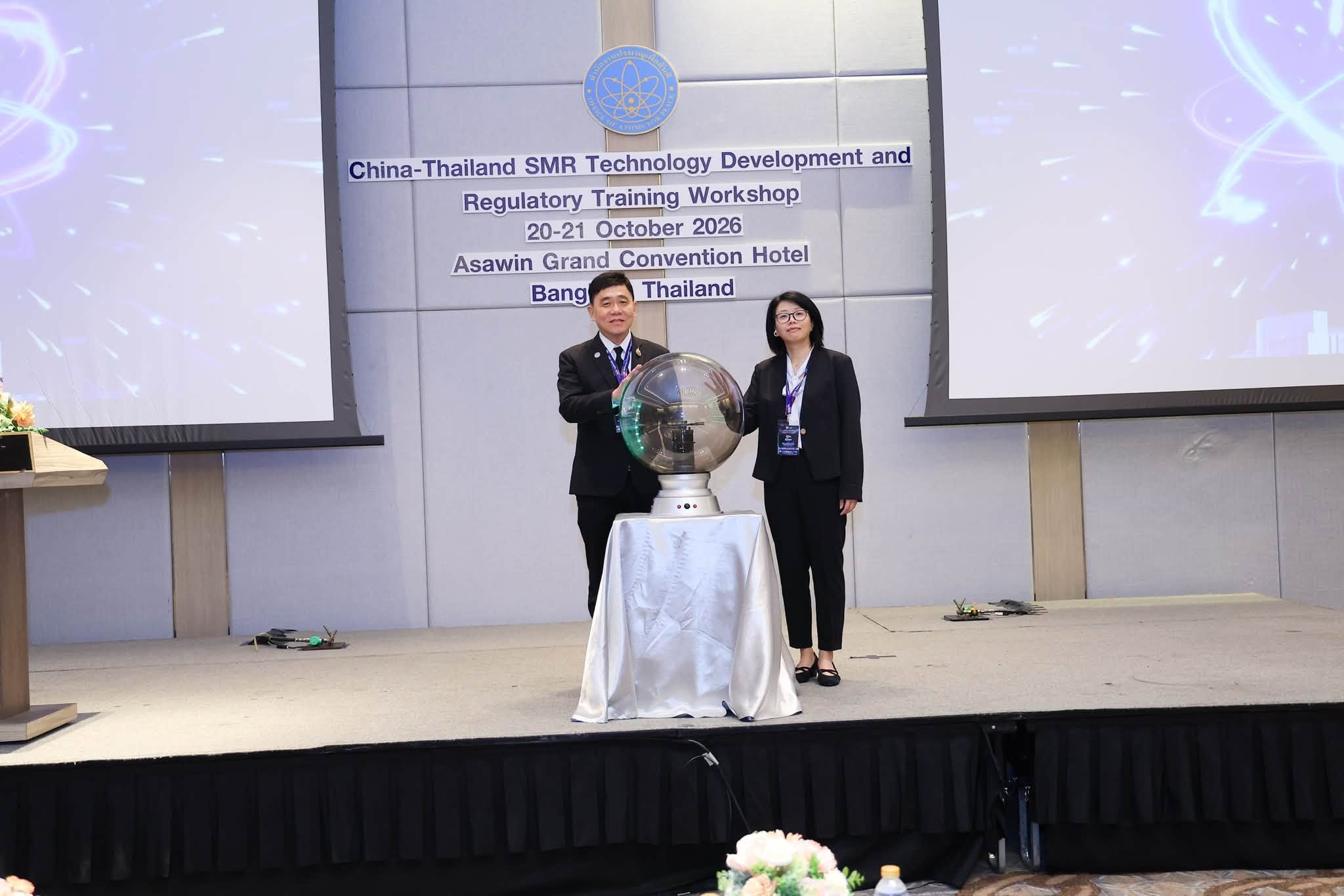
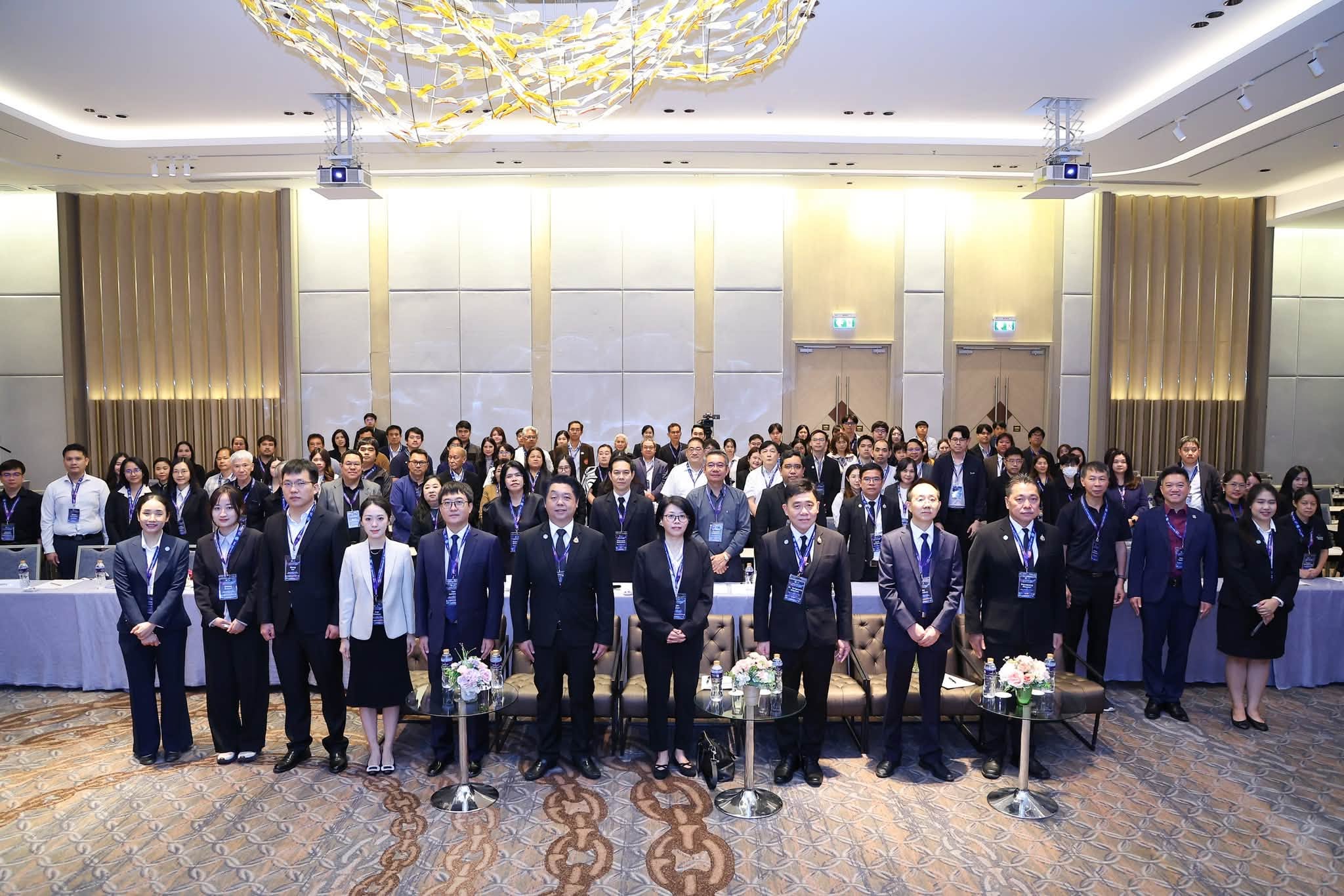
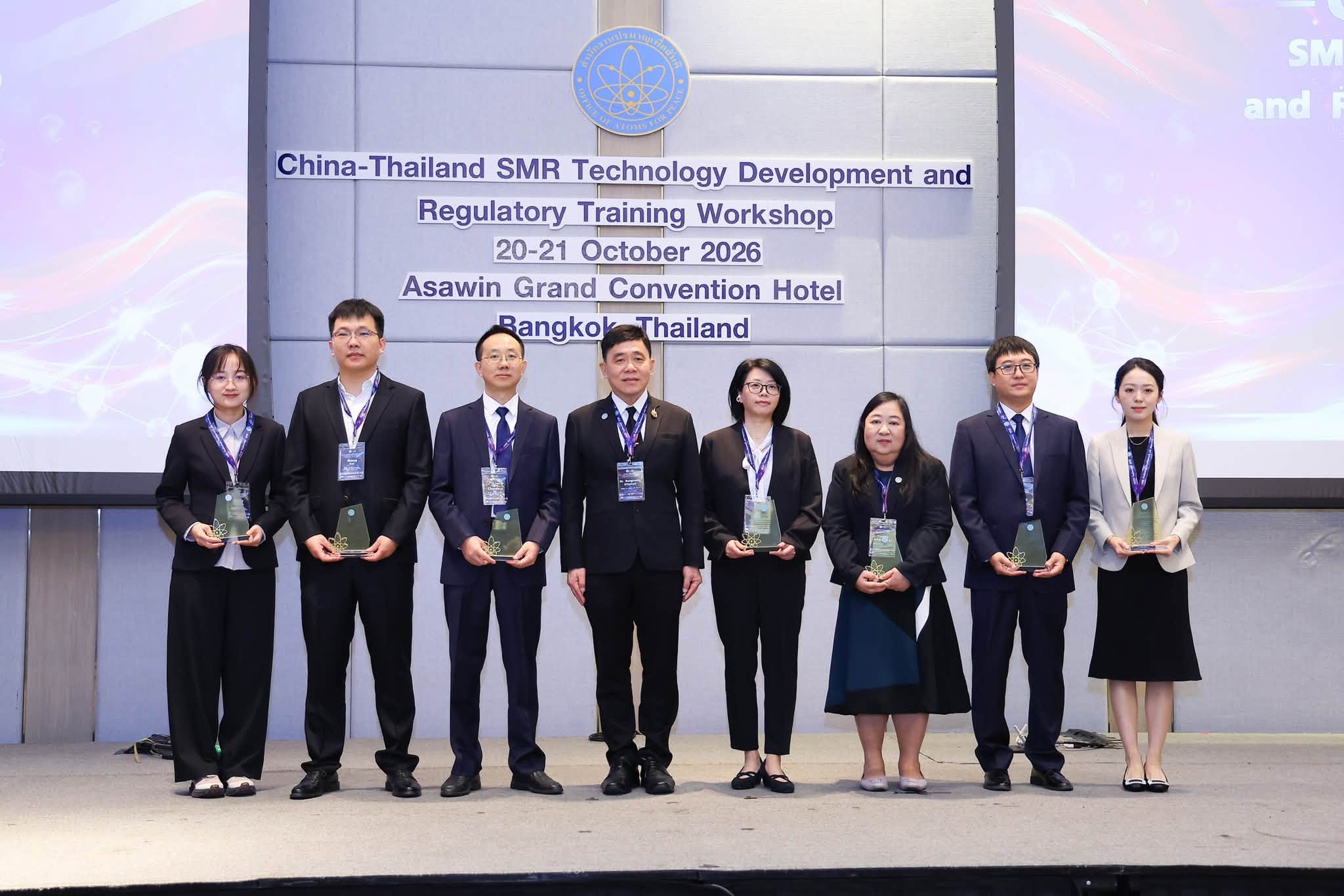
On October 20, 2026, Dr. Rungrueng Kitphati, Secretary General of OAP, delivered opening remarks stating that OAP organized the China-Thailand SMR Technology Development and Regulatory Training Workshop (Phase III). This event marks a significant milestone, as it represents the very first joint on-site training activity hosted in Thailand.
This workshop is supported by experts and lecturers from China’s State Nuclear Security Technology Centre (SNSTC), who traveled to impart invaluable knowledge and real-world regulatory experiences to Thai personnel. This builds upon the successful technical groundwork jointly laid through previous online workshops.
This in-person platform provides an interactive environment that facilitates Thai personnel in deepening technical analysis and engaging in in-depth dialogues.
This prepares Thailand to develop a nuclear infrastructure regulatory system that ensures the highest levels of stringency and safety.
The Office of Atoms for Peace stands firm as the national nuclear and radiation regulatory authority, with a core mission to proactively formulate regulatory policies, develop licensing regimes, and establish safety regulations strictly aligned with global standards. Thailand’s journey into the new frontier of clean energy will be driven within the national legislative framework, through integration with all stakeholders, and steadfast adherence to international obligations and safety standards.
This ensures that the regulation of Thailand’s nuclear technology achieves maximum safety and sustainably enhances the country’s competitiveness, emphasizing that the safety of the nation and its people is placed above all else.
Written by… Dr. Rungrueng Kitphati, Secretary General of the Office of Atoms for Peace, Ministry of Higher Education, Science, Research and Innovation
สำนักงานปรมาณูเพื่อสันติ (ปส.) กระทรวงการอุดมศึกษา วิทยาศาสตร์ วิจัยและนวัตกรรม (อว.)
เผยแพร่โดย : กลุ่มเผยแพร่และประชาสัมพันธ์ สำนักงานเลขานุการกรม เบอร์โทรศัพท์ภายใน 1110 , 1120


