
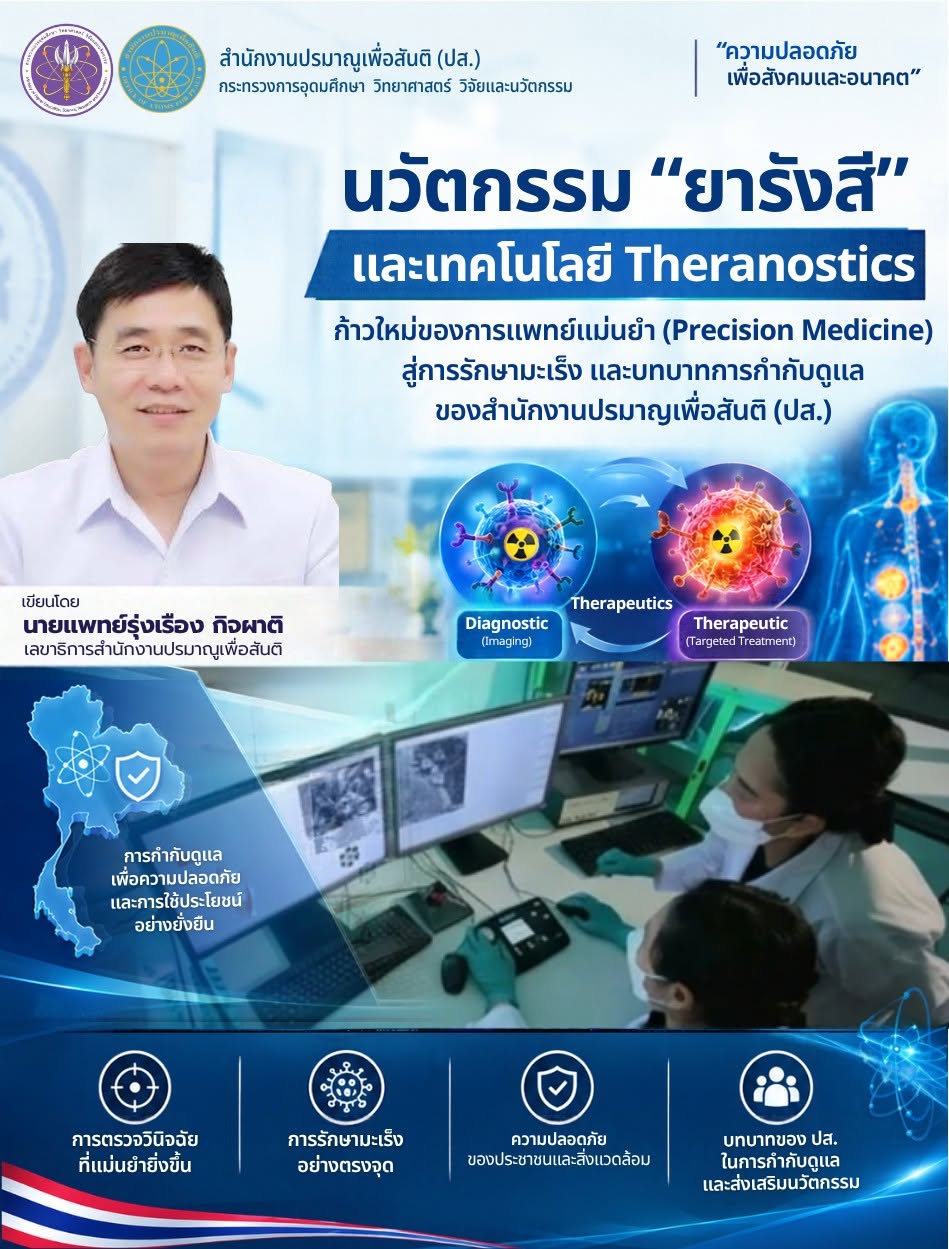
 นวัตกรรม “ยารังสี” และเทคโนโลยี Theranostics: ก้าวใหม่ของการแพทย์แม่นยำ (Precision Medicine) สู่การรักษามะเร็ง และบทบาทการกำกับดูแลของสำนักงานปรมาณูเพื่อสันติ (ปส.)
เมื่อพูดถึงการใช้รังสีรักษามะเร็ง ประชาชนส่วนใหญ่มักนึกถึง “การฉายรังสี” จากเครื่องจักรขนาดใหญ่จากภายนอกร่างกาย แต่ในโลกยุคปัจจุบัน นวัตกรรมทางการแพทย์ได้ก้าวไปไกลจนถึงขีดสุด ด้วยการพัฒนาสิ่งที่เรียกว่า “ยารังสี” (Radiopharmaceuticals) ซึ่งเป็นการนำสารกัมมันตรังสีมาผสมกับโมเลกุลยาเฉพาะเจาะจง แล้วฉีดเข้าสู่ร่างกายผู้ป่วยเพื่อเข้าไปค้นหาและทำลายเซลล์มะเร็งจากภายในอย่างแม่นยำ
 Theranostics: นวัตกรรม “มองเห็นตรงไหน ทำลายตรงนั้น”
ปัจจุบัน วงการเวชศาสตร์นิวเคลียร์ทั่วโลกกำลังตื่นตัวกับเทคโนโลยีที่เรียกว่า “Theranostics” (เทรานอสติกส์) ซึ่งมาจากการผสมคำระหว่าง Therapeutics (การบำบัดรักษา) และ Diagnostics (การวินิจฉัย)
หลักการทำงานของเทคโนโลยีนี้เปรียบเสมือน “ขีปนาวุธนำวิถี” โดยแพทย์จะเริ่มจากการฉีด “ยารังสีวินิจฉัย” (เช่น Gallium-68) เข้าไปในร่างกาย ยานี้จะทำหน้าที่เหมือน GPS วิ่งไปเกาะติดเฉพาะเซลล์มะเร็ง ทำให้แพทย์มองเห็นภาพการกระจายตัวของมะเร็งทั่วร่างกายได้อย่างชัดเจน
จากนั้นแพทย์จะใช้ “ยารังสีบำบัด” (เช่น Lutetium-177 หรือ Actinium-225) ซึ่งมีคุณสมบัติพุ่งเป้าไปเกาะที่เซลล์มะเร็งจุดเดียวกันเป๊ะ รังสีจะแผ่พลังงานทำลายล้างระยะสั้นๆ เฉพาะบริเวณนั้น ทำให้เซลล์มะเร็งตายโดยแทบไม่กระทบต่อเซลล์ปกติที่อยู่รอบข้าง นี่คือหัวใจสำคัญของ “การแพทย์แม่นยำ” (Precision Medicine) ที่ช่วยเพิ่มอัตราการรอดชีวิตและลดผลข้างเคียงจากการรักษาได้อย่างมหาศาล
 มุมมองการกำกับดูแลความปลอดภัย โดย สำนักงานปรมาณูเพื่อสันติ (ปส.)
การนำนวัตกรรมยารังสีขั้นสูงมาใช้ในประเทศไทย จำเป็นต้องมีระบบกำกับดูแลความปลอดภัยที่เข้มงวดตั้งแต่ต้นน้ำจนถึงปลายน้ำ สำนักงานปรมาณูเพื่อสันติ (ปส.) ในฐานะหน่วยงานกำกับดูแลความปลอดภัยทางนิวเคลียร์และรังสีแห่งชาติ มีบทบาทสำคัญในการสร้างสมดุลระหว่าง “การผลักดันให้ผู้ป่วยเข้าถึงนวัตกรรม” และ “การคุ้มครองความปลอดภัยสูงสุด” ดังนี้:
• การกำกับดูแลวงจรชีวิตของยารังสี (Lifecycle Oversight): ปส. ทำหน้าที่ออกใบอนุญาตและตรวจสอบมาตรฐานความปลอดภัย ตั้งแต่สถานที่ผลิตไอโซโทปรังสี (เช่น เครื่องไซโคลตรอน หรือเครื่องปฏิกรณ์วิจัย) การขนส่งยารังสี ไปจนถึงห้องปฏิบัติการในโรงพยาบาล เพื่อป้องกันการรั่วไหลของรังสีสู่สาธารณะ
• การคุ้มครองบุคลากรทางการแพทย์และสิ่งแวดล้อม: ยารังสีรุ่นใหม่มีระดับพลังงานและคุณสมบัติทางฟิสิกส์ที่แตกต่างจากอดีต ปส. ได้กำหนดเกณฑ์การประเมินความปลอดภัย การจัดการกากกัมมันตรังสีทางการแพทย์ (เช่น ของเสียจากการขับถ่ายของผู้ป่วยที่ได้รับยารังสี) เพื่อให้แน่ใจว่าระบบบำบัดน้ำเสียของโรงพยาบาลได้มาตรฐาน ไม่ก่อให้เกิดการปนเปื้อนสู่ชุมชน
• การปรับตัวรับเทคโนโลยีใหม่ (Adaptive Regulation): ปส. ติดตามมาตรฐานของทบวงการพลังงานปรมาณูระหว่างประเทศ (IAEA) อย่างใกล้ชิด เพื่อปรับปรุงกฎระเบียบให้รองรับยารังสีชนิดใหม่ๆ (Emerging Radioisotopes) ทำให้โรงพยาบาลในไทยสามารถนำเข้าและใช้งานยาเหล่านี้ได้อย่างถูกกฎหมาย ปลอดภัย และรวดเร็ว
 ข้อเสนอเชิงนโยบายเพื่ออนาคตประเทศและสาธารณสุขไทย
เพื่อให้ประเทศไทยสามารถใช้ประโยชน์จากเทคโนโลยี Theranostics และการแพทย์แม่นยำได้อย่างเต็มศักยภาพ ปส. ขอเสนอแนวทางเชิงนโยบายต่อรัฐบาลและผู้บริหารระดับสูง ดังนี้:
1. ส่งเสริมการผลิตไอโซโทปรังสีภายในประเทศ (Domestic Production): ยารังสีหลายชนิดมี “ครึ่งชีวิต” (Half-life) ที่สั้นมาก บางชนิดสลายตัวในเวลาเพียงไม่กี่ชั่วโมงหรือกี่วัน การพึ่งพาการนำเข้าจากต่างประเทศเพียงอย่างเดียวทำให้มีข้อจำกัดด้านโลจิสติกส์และต้นทุนที่สูง รัฐบาลควรสนับสนุนงบประมาณให้สถาบันวิจัยและสถาบันการศึกษาในการสร้างโครงสร้างพื้นฐานการผลิตยารังสีในไทย เพื่อความมั่นคงทางสาธารณสุขและลดค่าใช้จ่ายของผู้ป่วย
2. การปรับปรุงกฎหมายแบบบูรณาการ (Streamlined Regulatory Pathway): เนื่องจากยารังสีเกี่ยวข้องกับทั้ง “กฎหมายพลังงานนิวเคลียร์เพื่อสันติ” (ดูแลความปลอดภัยทางรังสี) และ “กฎหมายยา” (ดูแลสรรพคุณทางยา) ภาครัฐควรส่งเสริมกลไกการทำงานร่วมกันแบบไร้รอยต่อระหว่าง ปส. และ สำนักงานคณะกรรมการอาหารและยา (อย.) เพื่อลดความซ้ำซ้อนในการขออนุญาต ช่วยให้นวัตกรรมใหม่เข้าถึงผู้ป่วยได้เร็วขึ้น
3. การพัฒนากำลังคนเฉพาะทาง (Human Capacity Building): รัฐควรสนับสนุนทุนการศึกษาและการจัดอบรมเพื่อเร่งผลิตบุคลากรที่ขาดแคลน เช่น นักฟิสิกส์การแพทย์ นักรังสีเภสัชกร และผู้ตรวจการด้านรังสี เพื่อให้เพียงพอต่อการขยายตัวของศูนย์เวชศาสตร์นิวเคลียร์ในโรงพยาบาลทั่วประเทศ
เทคโนโลยี “ยารังสี” และ “Theranostics” คือความหวังใหม่ในการเอาชนะโรคมะเร็ง สำนักงานปรมาณูเพื่อสันติ (ปส.) พร้อมทำหน้าที่เป็นเสาหลักในการวางรากฐานความปลอดภัย เพื่อให้คนไทยทุกคนสามารถเข้าถึงการแพทย์แม่นยำระดับโลกได้อย่างมั่นใจ ปลอดภัย และยั่งยืน
บทความโดย: นายแพทย์รุ่งเรือง กิจผาติ เลขาธิการสำนักงานปรมาณูเพื่อสันติ กระทรวงการอุดมศึกษา วิทยาศาสตร์ วิจัยและนวัตกรรม (อว.)
ขอบคุณข้อมูลจาก IAEA
บทความนี้เผยแพร่ เว็บไซต์ และ Facebook สำนักงานปรมาณูเพื่อสันติ https://www.facebook.com/share/p/19naxkD3f3/
Innovation in “Radiopharmaceuticals” and Theranostics Technology: A New Step in Precision Medicine for Cancer Treatment and the Regulatory Role of the Office of Atoms for Peace (OAP)
When talking about using radiation to treat cancer, most people think of “radiotherapy” using large external machines. However, in today’s world, medical innovation has reached its peak with the development of “Radiopharmaceuticals.” This involves combining radioactive substances with specific drug molecules and injecting them into the patient’s body to precisely seek out and destroy cancer cells from within.
Theranostics: The “See It, Destroy It” Innovation
Currently, the global nuclear medicine community is buzzing with a technology called “Theranostics,” a portmanteau of Therapeutics and Diagnostics.
The principle behind this technology is akin to a “guided missile.” Doctors begin by injecting a “diagnostic radiopharmaceutical” (e.g., Gallium-68) into the body. This drug acts like a GPS, specifically locking onto cancer cells, allowing doctors to clearly visualize the distribution of cancer throughout the body.
Subsequently, doctors use a “therapeutic radiopharmaceutical” (e.g., Lutetium-177 or Actinium-225), which precisely targets and attaches to those exact same cancer cells. The radiation emits short-range, destructive energy specifically in that area, killing the cancer cells with minimal impact on surrounding normal cells. This is the core of “Precision Medicine,” which significantly increases survival rates and reduces side effects from treatment.
Safety Regulatory Perspectives by the Office of Atoms for Peace (OAP)
Introducing advanced radiopharmaceutical innovations to Thailand requires a stringent safety regulatory system from upstream to downstream. The Office of Atoms for Peace (OAP), as the national nuclear and radiation safety regulatory authority, plays a crucial role in balancing “pushing for patient access to innovation” and “ensuring maximum safety protection” as follows:
• Lifecycle Oversight of Radiopharmaceuticals: OAP is responsible for issuing licenses and inspecting safety standards, from radioisotope production facilities (such as cyclotrons or research reactors) and the transport of radiopharmaceuticals, to hospital laboratories, preventing radiation leakage into the public.
• Protection of Medical Personnel and the Environment: New-generation radiopharmaceuticals have different energy levels and physical properties compared to those in the past. OAP has established safety assessment criteria and guidelines for managing medical radioactive waste (e.g., excretions from patients receiving radiopharmaceuticals) to ensure hospital wastewater treatment systems meet standards and do not cause community contamination.
• Adaptive Regulation for New Technologies: OAP closely monitors the standards of the International Atomic Energy Agency (IAEA) to update regulations accommodating emerging radioisotopes. This enables hospitals in Thailand to legally, safely, and rapidly import and utilize these drugs.
Policy Recommendations for the Future of the Country and Thai Public Health
For Thailand to fully harness the potential of Theranostics technology and precision medicine, OAP proposes the following policy guidelines to the government and top executives:
1. Promote Domestic Production of Radioisotopes: Many radiopharmaceuticals have a very short “half-life,” with some decaying in just a few hours or days. Relying solely on imports creates logistical constraints and high costs. The government should allocate budgets to support research institutes and educational institutions in building radiopharmaceutical production infrastructure in Thailand for public health security and to reduce patient expenses.
2. Streamlined Regulatory Pathway: Because radiopharmaceuticals involve both the “Nuclear Energy for Peace Act” (regulating radiation safety) and “Drug Laws” (regulating drug efficacy), the government should promote a seamless collaborative mechanism between OAP and the Food and Drug Administration (FDA) to reduce redundancies in licensing, helping new innovations reach patients faster.
3. Human Capacity Building: The state should provide scholarships and training programs to rapidly produce personnel in short supply, such as medical physicists, radiopharmacists, and radiation inspectors, to adequately support the expansion of nuclear medicine centers in hospitals nationwide.
“Radiopharmaceutical” and “Theranostics” technologies represent new hope in conquering cancer. The Office of Atoms for Peace (OAP) stands ready as a pillar in laying the foundation for safety, ensuring that all Thais can access world-class precision medicine with confidence, safety, and sustainability.
Written by: Dr. Rungrueng Kitphati, Secretary-General, Office of Atoms for Peace, Ministry of Higher Education, Science, Research and Innovation (MHESI)
Special thanks for information from: IAEA
 Thailand’s Major Step Towards the Clean Energy Era: The Regulatory Role of the Office of Atoms for Peace in Small Modular Reactor (SMR) Technology
Core National Nuclear and Radiation Regulatory Mission
The Office of Atoms for Peace (OAP) is the principal national authority responsible for regulating nuclear and radiation safety in Thailand. OAP’s vital mission is to proactively formulate responsive regulatory policies, establish licensing regimes, and prescribe safety regulations that are strictly aligned and benchmarked against global standards.
Cross-Sectoral Integration to Accommodate SMR Technology
Currently, Small Modular Reactor (SMR) technology is being considered for potential integration into the national energy landscape. As the regulatory body, OAP firmly adheres to the principle that the introduction of SMR technology cannot be a decision undertaken by any single agency in isolation. Rather, it demands an integrated, cross-sectoral consensus.
Every operational step must proceed strictly in accordance with national legislation, require close coordination with all key stakeholders, and remain anchored to our international obligations and global safety standards as the utmost foundation.
Accelerating Human Resource Capacity Building
To ensure comprehensive national readiness, the Office of Atoms for Peace recognizes the urgent necessity to accelerate the development of specialized technical human resources. Developing workforce capabilities is a crucial factor in enhancing Thailand’s national competitiveness, unlocking high-value economic opportunities, and opening new frontiers in the country’s transition to a clean energy era in the future.
Elevating Technical Cooperation and International Experience
To drive these goals and prepare for regulatory oversight, the Office of Atoms for Peace has advanced technical cooperation with the China Atomic Energy Authority (CAEA).
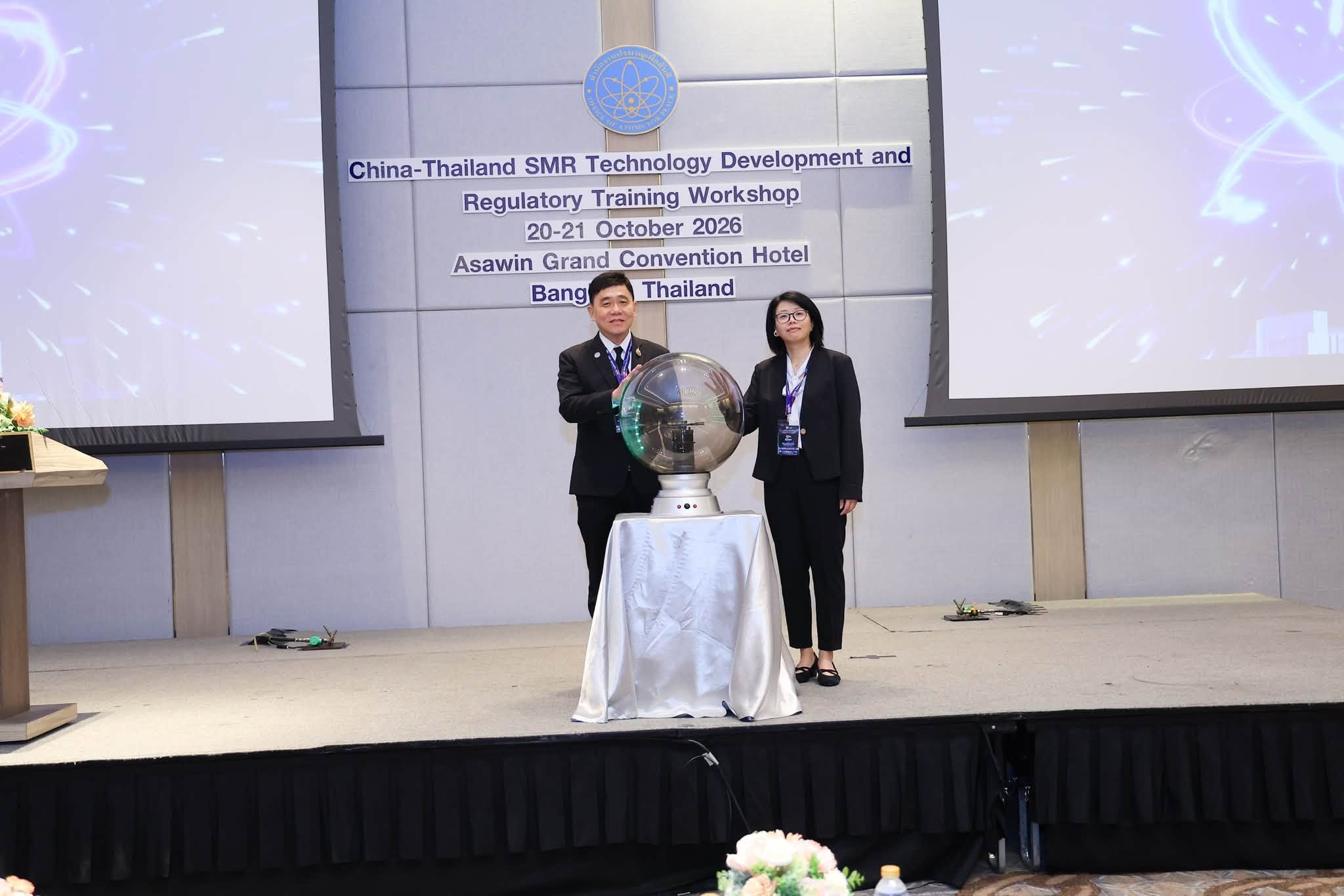
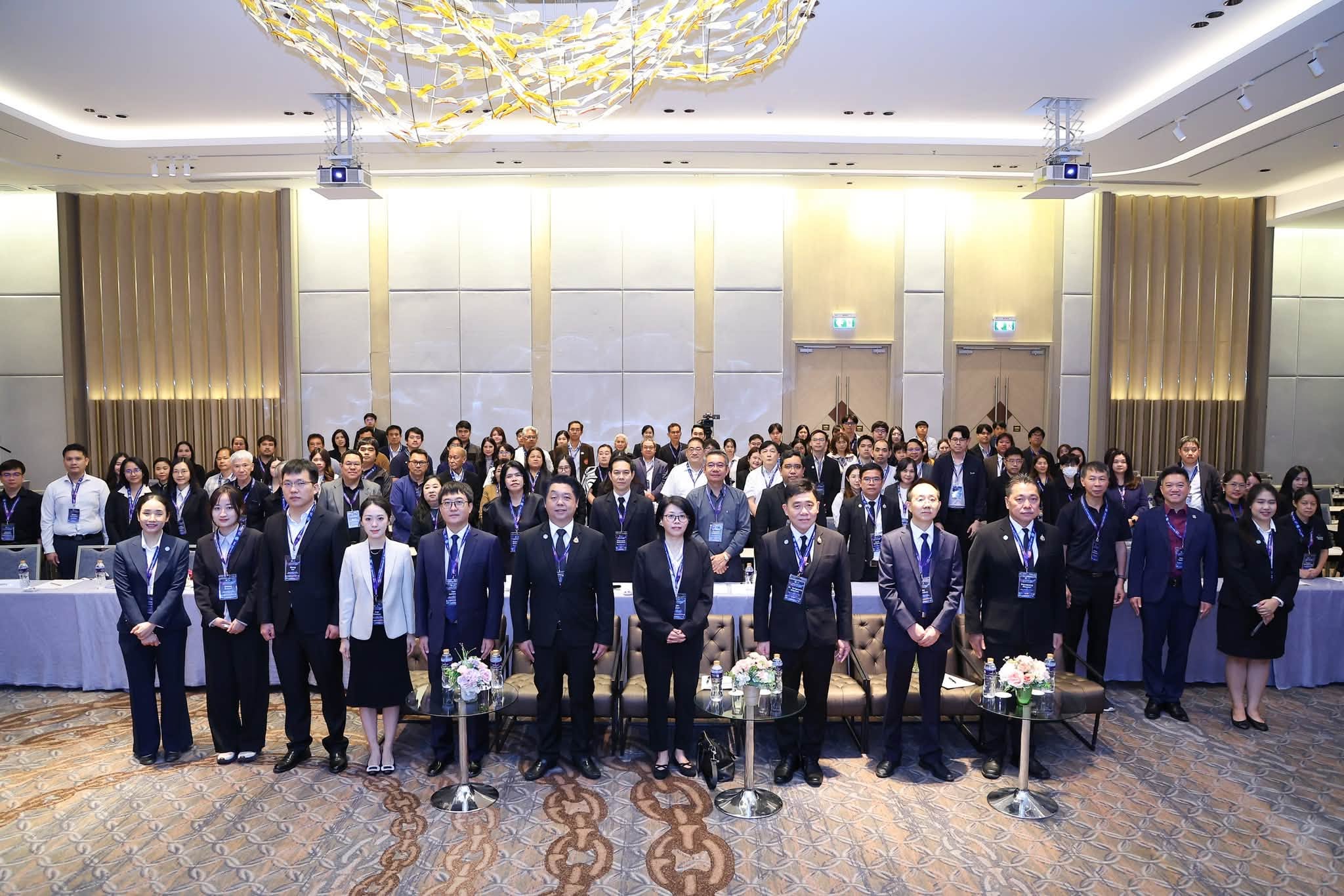
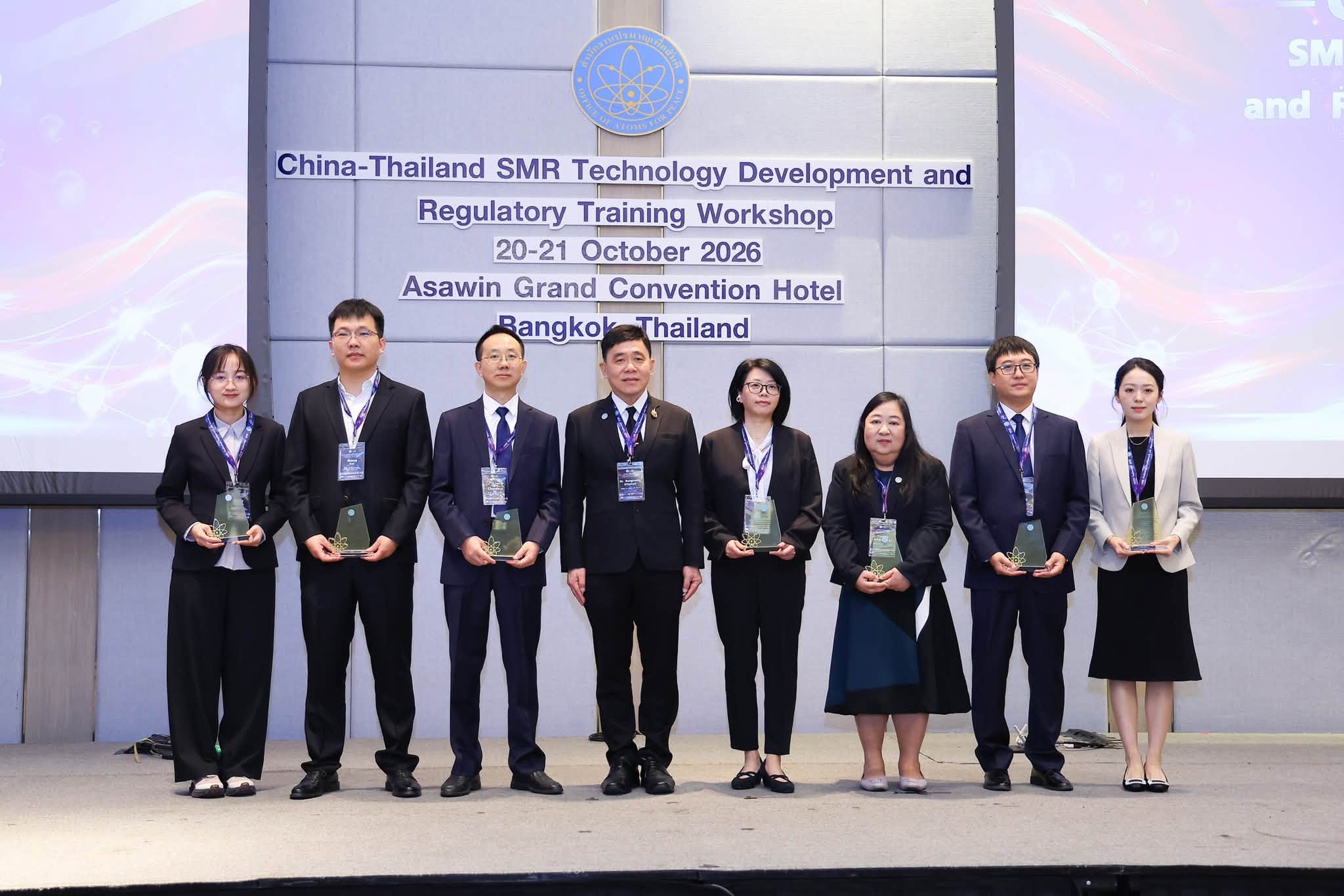
On October 20, 2026, Dr. Rungrueng Kitphati, Secretary General of OAP, delivered opening remarks stating that OAP organized the China-Thailand SMR Technology Development and Regulatory Training Workshop (Phase III). This event marks a significant milestone, as it represents the very first joint on-site training activity hosted in Thailand.
This workshop is supported by experts and lecturers from China’s State Nuclear Security Technology Centre (SNSTC), who traveled to impart invaluable knowledge and real-world regulatory experiences to Thai personnel. This builds upon the successful technical groundwork jointly laid through previous online workshops.
This in-person platform provides an interactive environment that facilitates Thai personnel in deepening technical analysis and engaging in in-depth dialogues.
This prepares Thailand to develop a nuclear infrastructure regulatory system that ensures the highest levels of stringency and safety.
The Office of Atoms for Peace stands firm as the national nuclear and radiation regulatory authority, with a core mission to proactively formulate regulatory policies, develop licensing regimes, and establish safety regulations strictly aligned with global standards. Thailand’s journey into the new frontier of clean energy will be driven within the national legislative framework, through integration with all stakeholders, and steadfast adherence to international obligations and safety standards.
This ensures that the regulation of Thailand’s nuclear technology achieves maximum safety and sustainably enhances the country’s competitiveness, emphasizing that the safety of the nation and its people is placed above all else.
Written by… Dr. Rungrueng Kitphati, Secretary General of the Office of Atoms for Peace, Ministry of Higher Education, Science, Research and Innovation
สำนักงานปรมาณูเพื่อสันติ (ปส.) กระทรวงการอุดมศึกษา วิทยาศาสตร์ วิจัยและนวัตกรรม (อว.)
เผยแพร่โดย : กลุ่มเผยแพร่และประชาสัมพันธ์ สำนักงานเลขานุการกรม เบอร์โทรศัพท์ภายใน 1110 , 1120


