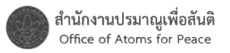
 โมเดลความร่วมมือ OSU-Oklo: ถอดรหัสยุทธศาสตร์การสร้างทุนมนุษย์ด้านวิศวกรรมนิวเคลียร์ และข้อเสนอเชิงนโยบายเพื่อรองรับเทคโนโลยี SMR ของประเทศไทย
การฟื้นคืนชีพของอุตสาหกรรมนิวเคลียร์ระดับโลก (Nuclear Renaissance) โดยเฉพาะการก้าวเข้ามาของเทคโนโลยีเครื่องปฏิกรณ์นิวเคลียร์แบบโมดูลาร์ขนาดเล็ก (Small Modular Reactors: SMRs) ได้สร้างแรงกระเพื่อมครั้งใหญ่ต่อภาคการศึกษา การพัฒนาเทคโนโลยีที่ล้ำหน้าจะไม่สามารถเกิดขึ้นหรือดำเนินการได้อย่างปลอดภัยหากปราศจาก “ทุนมนุษย์ (Human Capital)” ที่มีความเชี่ยวชาญเฉพาะด้าน
 สำนักงานปรมาณูเพื่อสันติ (ปส.) ในฐานะหน่วยงานกำกับดูแลความปลอดภัยทางนิวเคลียร์ระดับชาติ เล็งเห็นว่าปรากฏการณ์ที่เกิดขึ้นในสหรัฐอเมริกา ล่าสุดคือบทเรียนสำคัญที่ประเทศไทยต้องนำมาประยุกต์ใช้เพื่อเตรียมความพร้อมสำหรับโครงสร้างพื้นฐานด้านพลังงานของประเทศ
ปรากฏการณ์ Ohio State University (OSU) และการลงทุนจากภาคเอกชน
มหาวิทยาลัยโอไฮโอสเตต (OSU) ได้ประกาศยุทธศาสตร์สำคัญในการเปิดหลักสูตรวิศวกรรมศาสตรบัณฑิต สาขาวิชาวิศวกรรมนิวเคลียร์แบบเต็มรูปแบบเป็นแห่งแรกของรัฐโอไฮโอ โดยตั้งเป้าเปิดรับนักศึกษาในฤดูใบไม้ร่วงปี 2027 การขยายตัวจากเดิมที่มีเพียงระดับบัณฑิตศึกษาและวิชาโท สะท้อนให้เห็นถึงความต้องการวิศวกรระดับปฏิบัติการที่เพิ่มสูงขึ้นอย่างก้าวกระโดด
จุดเปลี่ยนสำคัญของโครงการนี้คือ การร่วมลงทุนจากภาคเอกชน บริษัท Oklo ผู้พัฒนาเทคโนโลยี SMR ชั้นนำ ได้อัดฉีดเม็ดเงินสนับสนุนรวมกับผู้บริหารบริษัทและเงินสมทบจากมหาวิทยาลัย มูลค่าสูงถึง 4.5 ล้านดอลลาร์สหรัฐ (ประมาณ 150 ล้านบาท) โดยยุทธศาสตร์การใช้เม็ดเงินถูกจัดสรรอย่างเป็นระบบเพื่อสร้างระบบนิเวศการเรียนรู้ ดังนี้:
• ยกระดับโครงสร้างพื้นฐานเชิงปฏิบัติ: เปลี่ยนชื่อและปรับปรุงศูนย์วิจัยเดิมเป็น “Oklo Nuclear Reactor Laboratory” รวมถึงการสร้าง “Oklo Experiential Engineering Education Lab” เพื่อเป็นพื้นที่ให้นักศึกษาได้สร้าง ทดสอบชิ้นงาน และจำลองระบบวิศวกรรมจริง
• สร้างความมั่นคงทางวิชาการ: จัดตั้งกองทุนสำหรับตำแหน่งศาสตราจารย์ด้านวิศวกรรมนิวเคลียร์ เพื่อดึงดูดและรักษาบุคลากรระดับหัวกะทิไว้ในระบบการศึกษา
• แรงจูงใจผู้เรียน: จัดตั้งกองทุนทุนการศึกษาเพื่อดึงดูดเยาวชนหัวกะทิเข้าสู่อุตสาหกรรม
โมเดลนี้ตอกย้ำว่า ภาคเอกชนไม่ได้มองมหาวิทยาลัยเป็นเพียงแหล่งผลิตบัณฑิต แต่เป็น “หุ้นส่วนทางยุทธศาสตร์” ที่ต้องร่วมลงทุนตั้งแต่ต้นน้ำ เพื่อการันตีว่าจะมีวิศวกรที่มีคุณภาพเพียงพอในการขับเคลื่อนเทคโนโลยีของตน
ข้อเสนอเชิงนโยบายต่อการพัฒนาทุนมนุษย์ด้านนิวเคลียร์ของประเทศไทย
คำถามสำคัญสำหรับประเทศไทยในวันนี้ ไม่ใช่เพียง “เราจะสร้างโรงไฟฟ้า SMR เมื่อใด” แต่คือ “ใครจะเป็นผู้กำกับดูแลและเดินเครื่อง” ปส. ประเมินว่า หากปราศจากบุคลากรที่มีวัฒนธรรมความปลอดภัย (Safety Culture) ที่เข้มแข็ง เทคโนโลยีที่ดีที่สุดก็อาจกลายเป็นความเสี่ยง
ปส. จึงขอเสนอทิศทางเชิงนโยบาย ดังนี้: 1. ยุทธศาสตร์เครือข่ายอุดมศึกษานิวเคลียร์แห่งชาติ (National Nuclear Education Consortium)
ปัจจุบัน จุฬาลงกรณ์มหาวิทยาลัยเป็นเสาหลักในการผลิตบุคลากรด้านนี้ แต่เพื่อรองรับอุตสาหกรรม SMR ที่อาจขยายตัว รัฐบาลและกระทรวง อว. ควรสนับสนุนให้เกิดหลักสูตรข้ามสถาบัน (Joint Programs) วิชาเอก-โท (Double Majors) หรือวิชาเลือกเฉพาะทางในมหาวิทยาลัยเทคโนโลยีและวิศวกรรมชั้นนำอื่นๆ (เช่น กลุ่มพระจอมเกล้าฯ มหาวิทยาลัยเกษตรศาสตร์) เพื่อผลิตวิศวกรเครื่องกล วิศวกรไฟฟ้า หรือวิศวกรวัสดุ ที่มีพื้นฐานด้านวิศวกรรมนิวเคลียร์ควบคู่กัน
2. กลไกการร่วมลงทุน รัฐ-เอกชน-วิชาการ (Triple Helix Partnership) รัฐบาลควรออกมาตรการจูงใจทางภาษี (Tax Incentives) เพื่อกระตุ้นให้รัฐวิสาหกิจ (เช่น กฟผ.) หรือบริษัทพลังงานข้ามชาติที่ต้องการเข้ามาลงทุน SMR ในไทย ต้องจัดสรรงบประมาณ (ในรูปแบบเดียวกับบริษัท Oklo) เพื่อลงทุนสร้างห้องปฏิบัติการจำลองการเดินเครื่อง (Simulator Labs) และให้ทุนการศึกษาระยะยาวแก่มหาวิทยาลัยไทย เป็นหนึ่งในเงื่อนไขการถ่ายทอดเทคโนโลยี (Technology Transfer)
3. ยุทธศาสตร์ความมั่นคงขององค์ความรู้ (Knowledge Retention Strategy) บทเรียนจากอุตสาหกรรมนิวเคลียร์โลกชี้ให้เห็นถึงวงจรการเติบโตและชะลอตัว รัฐบาลต้องจัดตั้ง “กองทุนพัฒนาและรักษาความเชี่ยวชาญด้านนิวเคลียร์ระดับชาติ” เพื่อเป็นเบาะรองรับ (Safety Net) ให้กับมหาวิทยาลัยและหน่วยงานกำกับดูแล (ปส.) สามารถรักษาคณาจารย์ ผู้เชี่ยวชาญ และดำเนินงานวิจัยต่อไปได้ แม้ในช่วงที่อุตสาหกรรมอยู่ในสภาวะชะลอตัว เพื่อไม่ให้เกิดภาวะสมองไหลหรือขาดแคลนผู้กำกับดูแลความปลอดภัยในระยะยาว
การเตรียมความพร้อมด้านกำลังคน ต้องใช้เวลาไม่น้อยกว่า 5-10 ปี ซึ่งเทียบเท่ากับระยะเวลาในการเตรียมโครงสร้างพื้นฐานทางกฎหมาย สำนักงานปรมาณูเพื่อสันติมุ่งมั่นที่จะทำหน้าที่เป็นแกนกลางในการเชื่อมประสานมาตรฐานความปลอดภัยเข้ากับระบบการศึกษา เพื่อให้ประเทศไทยก้าวสู่ยุคพลังงานสะอาดได้อย่างมั่นคงและปลอดภัยขั้นสูงสุด
บทความและข้อเสนอเชิงนโยบายโดย: นายแพทย์รุ่งเรือง กิจผาติ เลขาธิการสำนักงานปรมาณูเพื่อสันติ กระทรวงการอุดมศึกษา วิทยาศาสตร์ วิจัยและนวัตกรรม
ขอบคุณข้อมูลจาก Nuclear Engineering, Chulalongkorn University…และขอบคุณข้อมูลจาก IAEA
เอกสารอ้างอิงและแหล่งข้อมูลเชิงประจักษ์ (References)
1. The Ohio State University. (2026). Oklo fuels growth of nuclear engineering at Ohio State.
2. Ohio State University, Department of Mechanical and Aerospace Engineering. (2026). Nuclear Engineering Undergraduate Program Expansion.
3. International Atomic Energy Agency (IAEA). (2025). Milestones in the Development of a National Infrastructure for Nuclear Power (NG-G-3.1).
4. Office of Atoms for Peace (OAP). (2026). Strategic Human Resource Development and Regulatory Capacity Building for Small Modular Reactors in Thailand.
บทความนี้เผยแพร่บน Facebook สำนักงานปรมาณูเพื่อสันติ
The OSU-Oklo Collaboration Model: Decoding the Strategy for Nuclear Engineering Human Capital Development and Policy Recommendations to Support SMR Technology in Thailand
The global Nuclear Renaissance, particularly the advent of Small Modular Reactors (SMRs) technology, has created a massive ripple effect across the education sector. The development of advanced technology cannot materialize or operate safely without highly specialized “Human Capital.”
The Office of Atoms for Peace (OAP), as the national nuclear safety regulatory body, recognizes that the recent phenomenon in the United States serves as a crucial lesson that Thailand must apply to prepare its national energy infrastructure.
The Ohio State University (OSU) Phenomenon and Private Sector Investment
The Ohio State University (OSU) has announced a major strategy to launch a full Bachelor of Science program in Nuclear Engineering, the first of its kind in the state of Ohio, with a target to enroll students in the fall of 2027. This expansion from currently offering only graduate degrees and an undergraduate minor reflects an exponentially growing demand for operational-level engineers.
The critical turning point of this project is the co-investment from the private sector. Oklo, a leading SMR technology developer, along with company executives and university matching funds, has injected a total of 4.5 million USD (approximately 150 million THB). The strategy for utilizing these funds is systematically allocated to build a learning ecosystem as follows:
* Elevating practical infrastructure: Renaming and upgrading the existing research center to the “Oklo Nuclear Reactor Laboratory” and establishing the “Oklo Experiential Engineering Education Lab” to provide a space for students to build, test components, and simulate real engineering systems.
* Building academic stability: Establishing an endowed fund for a professorship in nuclear engineering to attract and retain top-tier academic personnel within the education system.
* Learner incentives: Establishing a scholarship fund to attract top-tier youth into the industry.
This model reinforces that the private sector does not view universities merely as a source of graduates, but as “strategic partners” that must co-invest from the upstream to guarantee a sufficient supply of high-quality engineers to drive their technologies.
Policy Recommendations for Thailand’s Nuclear Human Capital Development The crucial question for Thailand today is not merely, “When will we build an SMR power plant?” but rather, “Who will regulate and operate it?” The OAP assesses that without personnel possessing a strong Safety Culture, even the best technology could become a risk.
Therefore, the OAP proposes the following policy directions:
1. National Nuclear Education Consortium Strategy
Currently, Chulalongkorn University serves as the main pillar for producing personnel in this field. However, to support a potentially expanding SMR industry, the government and the Ministry of Higher Education, Science, Research and Innovation (MHESI) should support Joint Programs, Double Majors, or specialized elective courses across other leading technological and engineering universities (such as the King Mongkut’s Institutes of Technology or Kasetsart University). This aims to produce mechanical, electrical, or materials engineers equipped with a concurrent foundation in nuclear engineering.
2. Triple Helix Partnership Investment Mechanism (State-Private-Academic)
The government should issue Tax Incentives to encourage state enterprises (e.g., EGAT) or multinational energy companies looking to invest in SMRs in Thailand to allocate budgets (similar to the Oklo model). This funding would invest in Simulator Labs and provide long-term scholarships to Thai universities, which should be integrated as a core condition of Technology Transfer agreements.
3. Knowledge Retention Strategy
Lessons from the global nuclear industry reveal distinct cycles of growth and slowdown. The government must establish a “National Nuclear Expertise Development and Retention Fund” to serve as a Safety Net for universities and the regulatory body (OAP). This ensures the ability to retain faculty, experts, and continue research operations even during industry downturns, preventing a brain drain or a long-term shortage of safety regulators.
Preparing the workforce requires no less than 5-10 years, which is equivalent to the time required to prepare the legal infrastructure. The Office of Atoms for Peace is committed to acting as the central hub in integrating safety standards with the education system, ensuring Thailand steps into the clean energy era with maximum stability and the highest level of safety.
Article and policy recommendations by: Dr. Rungrueng Kitphati, Secretary-General, Office of Atoms for Peace, Ministry of Higher Education, Science, Research and Innovation (MHESI)
Special thanks for information from Nuclear Engineering, Chulalongkorn University… and the IAEA.
References & Empirical Evidence
* The Ohio State University. (2026). Oklo fuels growth of nuclear engineering at Ohio State.
* Ohio State University, Department of Mechanical and Aerospace Engineering. (2026). Nuclear Engineering Undergraduate Program Expansion.
* International Atomic Energy Agency (IAEA). (2025). Milestones in the Development of a National Infrastructure for Nuclear Power (NG-G-3.1).
* Office of Atoms for Peace (OAP). (2026). Strategic Human Resource Development and Regulatory Capacity Building for Small Modular Reactors in Thailand.
สำนักงานปรมาณูเพื่อสันติ (ปส.) กระทรวงการอุดมศึกษา วิทยาศาสตร์ วิจัยและนวัตกรรม (อว.)
เผยแพร่โดย : กลุ่มเผยแพร่และประชาสัมพันธ์ สำนักงานเลขานุการกรม เบอร์โทรศัพท์ภายใน 1110 , 1120


