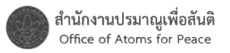
 ถอดบทเรียนความร่วมมือนิวเคลียร์ฟิลิปปินส์–สหรัฐฯ: ก้าวสำคัญสู่ SMR และการเตรียมความพร้อมด้านการกำกับดูแลของสำนักงานปรมาณูเพื่อสันติ (ปส.)
การพบหารือระหว่างรัฐมนตรีว่าการกระทรวงพลังงานฟิลิปปินส์และสหรัฐอเมริกา ณ กรุงวอชิงตัน ดี.ซี. เมื่อวันที่ 15 ตุลาคม 2026 เพื่อขยายความร่วมมือด้านความมั่นคงทางพลังงานและเตรียมความพร้อมนำพลังงานนิวเคลียร์เข้าสู่ระบบไฟฟ้า ถือเป็นความเคลื่อนไหวทางยุทธศาสตร์ที่สำคัญในภูมิภาคเอเชียตะวันออกเฉียงใต้
 สำนักงานปรมาณูเพื่อสันติ (ปส.) ในฐานะหน่วยงานกำกับดูแลความปลอดภัยทางนิวเคลียร์และรังสีของประเทศไทย ได้ติดตามและวิเคราะห์กรณีศึกษานี้ เพื่อนำมาประยุกต์ใช้ในการวางรากฐานการกำกับดูแลและเตรียมความพร้อมโครงสร้างพื้นฐานด้านนิวเคลียร์ของประเทศ
ความร่วมมือที่เป็นรูปธรรมอย่างการที่ U.S. Trade and Development Agency (USTDA) มอบเงินทุนสนับสนุนกว่า 2.76 ล้านดอลลาร์สหรัฐ ให้แก่ Meralco PowerGen Corporation (MGEN) เพื่อศึกษาความเป็นไปได้ในการนำเทคโนโลยีเครื่องปฏิกรณ์นิวเคลียร์ขนาดเล็ก (Small Modular Reactors: SMRs) มาใช้นั้น สะท้อนให้เห็นถึงความจำเป็นของการประเมินโครงการอย่างรอบด้านก่อนการตัดสินใจเชิงนโยบาย โดยมีบริษัทวิศวกรรม Sargent & Lundy จากสหรัฐฯ และ AMH Philippines ร่วมดำเนินการศึกษาซึ่งคาดว่าจะแล้วเสร็จในไตรมาสที่ 4 ของปี 2027
มุมมองด้านการกำกับดูแลความปลอดภัย (Regulatory Oversight) โดย ปส.
จากกรอบการศึกษาความเป็นไปได้ของฟิลิปปินส์ ปส. ได้นำมาถอดบทเรียนเพื่อกำหนดทิศทางการกำกับดูแลความปลอดภัยของประเทศไทย ดังนี้:
การประเมินเทคโนโลยีและความปลอดภัยของเครื่องปฏิกรณ์: การคัดเลือกเทคโนโลยี SMR จะต้องสอดคล้องกับมาตรฐานความปลอดภัยสูงสุดของทบวงการพลังงานปรมาณูระหว่างประเทศ (IAEA) ปส. มีหน้าที่เตรียมความพร้อมด้านกรอบการออกใบอนุญาต (Licensing Framework) ที่สามารถรองรับนวัตกรรมการออกแบบเครื่องปฏิกรณ์รุ่นใหม่ๆ เพื่อรับประกันว่าเทคโนโลยีที่จะนำมาใช้ในไทยมีความปลอดภัยเชิงวิศวกรรมและสามารถบริหารจัดการความเสี่ยงได้อย่างมีประสิทธิภาพ
การประเมินความเหมาะสมของสถานที่ตั้ง (Siting Evaluation): การพิจารณาพื้นที่ก่อสร้างไม่ใช่เพียงเรื่องของความสะดวกทางวิศวกรรม แต่ ปส. จะต้องกำกับดูแลให้มีการประเมินผลกระทบด้านสิ่งแวดล้อม สุขภาพ และความเสี่ยงจากภัยพิบัติทางธรรมชาติอย่างเข้มงวด เพื่อให้มั่นใจว่าสถานที่ตั้งมีความปลอดภัยต่อชุมชนโดยรอบ
การพัฒนาศักยภาพบุคลากรและการเสริมสร้างขีดความสามารถ (Capacity Building): การที่ USTDA สนับสนุนคณะผู้แทนฟิลิปปินส์ 15 คนไปศึกษาดูงานที่ Idaho National Laboratory (INL) และสนับสนุนเครื่องจำลองห้องควบคุมโรงไฟฟ้า ชี้ให้เห็นว่าการเตรียมกำลังคนเป็นเรื่องเร่งด่วน ปส. มุ่งเน้นการพัฒนาผู้เชี่ยวชาญและผู้ตรวจการนิวเคลียร์ (Nuclear Inspectors) ของไทยให้มีทักษะขั้นสูงทัดเทียมระดับสากล เพื่อให้สามารถตรวจสอบและกำกับดูแลเทคโนโลยีใหม่ได้อย่างรู้เท่าทัน
การเชื่อมต่อระบบไฟฟ้าและมาตรฐานความปลอดภัย: การนำกระแสไฟฟ้าจาก SMR เข้าสู่โครงข่ายของประเทศ ต้องมีการประเมินผลกระทบด้านเสถียรภาพของระบบ ซึ่งในมุมมองการกำกับดูแล ความเสถียรของระบบไฟฟ้าภายนอกส่งผลโดยตรงต่อระบบความปลอดภัยสำรองของโรงไฟฟ้านิวเคลียร์
ประโยชน์ต่อประเทศไทยและการเตรียมความพร้อมสู่อนาคต
เป้าหมายของฟิลิปปินส์ในการผลิตไฟฟ้าจากพลังงานนิวเคลียร์ 1,200 เมกะวัตต์ภายในปี 2032 เป็นกรณีศึกษาที่แสดงให้เห็นว่า การเปลี่ยนผ่านสู่พลังงานสะอาดที่มั่นคงต้องอาศัยการบูรณาการความร่วมมือทั้งในระดับรัฐบาล องค์กรระหว่างประเทศ และภาคเอกชน
 สำหรับประเทศไทย การตื่นตัวและเตรียมความพร้อมด้านการกำกับดูแลล่วงหน้าของ ปส. จะสร้างประโยชน์มหาศาลแก่ประเทศ หากรัฐบาลมีนโยบายผลักดันการใช้เทคโนโลยี SMR ในอนาคต โครงสร้างพื้นฐานทางกฎหมายและมาตรฐานความปลอดภัยที่ ปส. วางรากฐานไว้ จะช่วยให้การดำเนินโครงการเป็นไปอย่างราบรื่น โปร่งใส และคุ้มค่าทางเศรษฐศาสตร์
นอกจากนี้ยังเป็นการสร้างความเชื่อมั่นให้แก่ประชาชนว่า รัฐสามารถปกป้องความปลอดภัยของชุมชนและสิ่งแวดล้อมได้อย่างเบ็ดเสร็จ การเตรียมพร้อมตั้งแต่การประเมินเทคโนโลยีไปจนถึงการจัดหาบุคลากร จะเป็นกุญแจสำคัญที่ทำให้ประเทศไทยสามารถใช้ประโยชน์จากพลังงานนิวเคลียร์เพื่อความมั่นคงทางพลังงานและการบรรลุเป้าหมายความเป็นกลางทางคาร์บอนได้อย่างยั่งยืน
บทความนี้เขียนโดย…
นายแพทย์รุ่งเรือง กิจผาติ เลขาธิการสำนักงานปรมาณูเพื่อสันติ กระทรวงการอุดมศึกษา วิทยาศาสตร์ วิจัยและนวัตกรรม
ขอบคุณข้อมูลจาก Nuclear Engineering, Chulalongkorn University…
บทความนี้เผยแพร่บน Facebook สำนักงานปรมาณูเพื่อสันติ
Extracting Lessons from Philippines-US Nuclear Cooperation: A Major Step Towards SMRs and Regulatory Preparedness by the Office of Atoms for Peace (OAP)
The meeting between the Energy Secretaries of the Philippines and the United States in Washington, D.C., on October 15, 2026, aimed at expanding energy security cooperation and preparing to integrate nuclear energy into the power grid, represents a significant strategic movement in Southeast Asia.
As Thailand’s national nuclear and radiation safety regulatory authority, the Office of Atoms for Peace (OAP) has closely monitored and analyzed this case study to apply its insights toward laying the regulatory foundation and preparing the country’s nuclear infrastructure.
Concrete cooperation, such as the U.S. Trade and Development Agency (USTDA) providing over $2.76 million in grant funding to Meralco PowerGen Corporation (MGEN) for a feasibility study on Small Modular Reactors (SMRs), reflects the absolute necessity of comprehensive project evaluation prior to policy decision-making. The study, jointly conducted by U.S. engineering firm Sargent & Lundy and AMH Philippines, is expected to be completed in the fourth quarter of 2027.
Regulatory Oversight Perspectives by the OAP
Drawing from the Philippines’ feasibility study framework, the OAP has extracted key lessons to chart the course for Thailand’s safety regulatory direction:
Reactor Technology and Safety Assessment: The selection of SMR technology must strictly comply with the highest safety standards set by the International Atomic Energy Agency (IAEA). The OAP is responsible for preparing a robust Licensing Framework capable of accommodating innovative new reactor designs, ensuring that any technology deployed in Thailand possesses resilient engineering safety and effective risk management capabilities.
Siting Evaluation: Selecting a construction site goes far beyond engineering convenience. The OAP must oversee rigorous environmental and health impact assessments, as well as natural disaster risk evaluations, to ensure the chosen location is absolutely safe for surrounding communities.
Capacity Building: The USTDA’s sponsorship of a 15-member Philippine delegation for a study visit to the Idaho National Laboratory (INL) and its support for a power plant control room simulator highlight the urgency of workforce preparation. The OAP focuses on developing Thai experts and Nuclear Inspectors with advanced, internationally benchmarked skills to adeptly inspect and regulate emerging technologies.
Grid Connection and Safety Standards:
Integrating electricity from SMRs into the national grid requires an impact assessment on overall system stability. From a regulatory standpoint, external grid stability directly affects the reliability of the backup safety systems of a nuclear power plant.
Benefits for Thailand and Future Preparedness
The Philippines’ goal of generating 1,200 megawatts of nuclear power by 2032 is a prime case study demonstrating that transitioning to a stable, clean energy future requires seamless collaboration across governments, international organizations, and the private sector.
For Thailand, the OAP’s proactive awareness and advance regulatory preparedness will yield immense national benefits. Should the government pursue a policy to deploy SMR technology in the future, the legal infrastructure and safety standards proactively established by the OAP will ensure that project implementation is smooth, transparent, and economically viable.
Furthermore, this readiness builds vital public trust, assuring citizens that the state can comprehensively protect both communities and the environment. Thorough preparedness, spanning from technology assessment to workforce development, will be the critical key enabling Thailand to leverage nuclear energy for long-term energy security and the sustainable achievement of its carbon neutrality goals.
Written by: Dr. Rungrueng Kitphati, Secretary-General, Office of Atoms for Peace, Ministry of Higher Education, Science, Research and Innovation (MHESI)
Special thanks for information from: Department of Nuclear Engineering, Chulalongkorn University
สำนักงานปรมาณูเพื่อสันติ (ปส.) กระทรวงการอุดมศึกษา วิทยาศาสตร์ วิจัยและนวัตกรรม (อว.)
เผยแพร่โดย : กลุ่มเผยแพร่และประชาสัมพันธ์ สำนักงานเลขานุการกรม เบอร์โทรศัพท์ภายใน 1110 , 1120


